I don’t remember if we took the train or flew from Berlin.
What I do remember is arriving in Zaandam around midnight.
And I remember stopping in the middle of the street just to look up.
After Berlin — the tension, the exhaustion, the tears; Zaandam felt like someone softened the edges of the world.
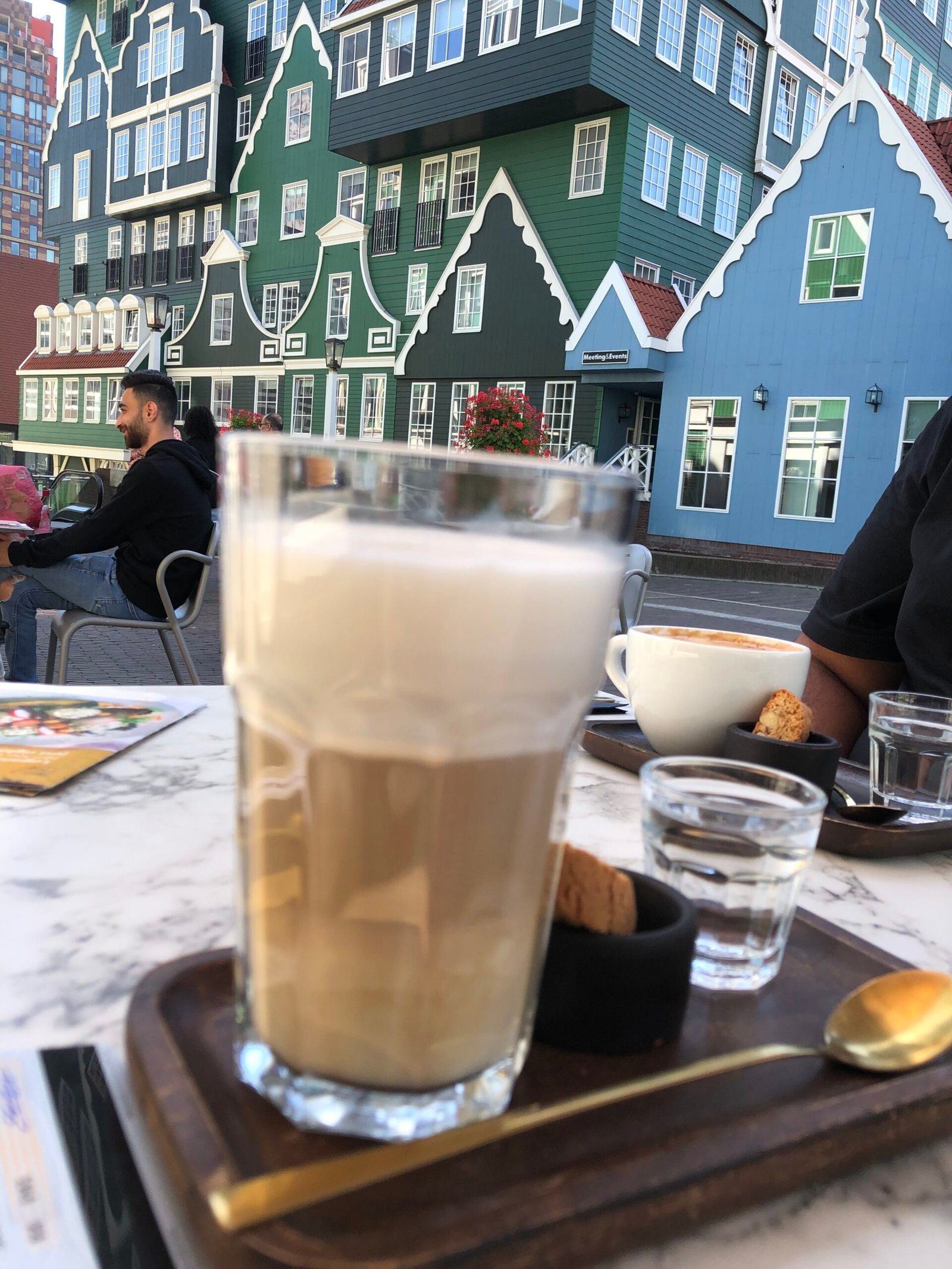
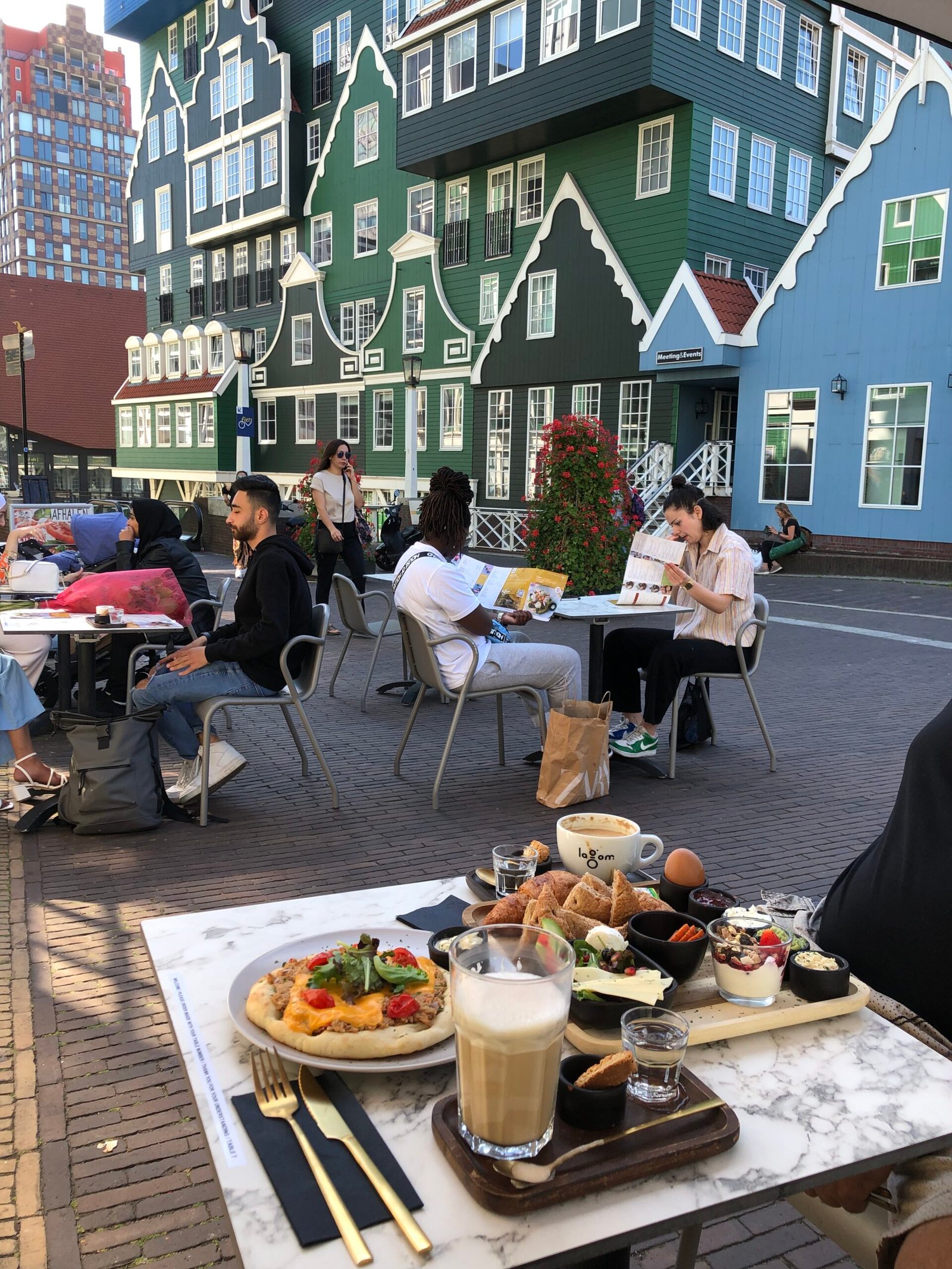
The buildings looked unreal. Green, stacked, triangular houses piled on top of each other like a child’s imagination. It didn’t feel like a real place. It felt like a drawing.
I think that was the first moment in days that I felt calm.
Amsterdam was expensive. Like… painfully expensive.
So we booked our hotel in Zaandam instead.
It was five minutes from the train station. Literally five. We could see the station from nearby. No stress. No complicated routes. No fear of getting lost at night.
After Berlin, that mattered more than I expected.
Zaandam is only about 12 minutes by train from Amsterdam Central Station. The trains run constantly. It felt safe. Clean. Organized. Predictable.
And I needed predictable.
Our hotel room had a big bed.
Space.
Silence.
I cannot explain how much relief I felt from not sharing a bed anymore. After nights of broken sleep in Berlin, that bed felt like therapy.
Sometimes healing isn’t dramatic.
Sometimes it’s just uninterrupted sleep.
Zaandam is part of the Zaan region — one of the oldest industrial areas in Europe.
In the 17th century, during the Dutch Golden Age, this area was full of windmills. Not decorative windmills. Working windmills.
They processed:
– Timber
– Oil
– Spices
– Paint
– Grain
The Zaan region basically became one of the first industrial zones in the world. Some historians even call it one of the earliest examples of industrialization.
Peter the Great of Russia even stayed here in 1697 to learn shipbuilding techniques from the Dutch.
So when you look at those green wooden houses, you’re not just looking at something cute. You’re looking at architecture rooted in centuries of trade, shipping, and innovation.
But at midnight, I wasn’t thinking about industrial history.
I was thinking, “Wow. This place feels gentle.”
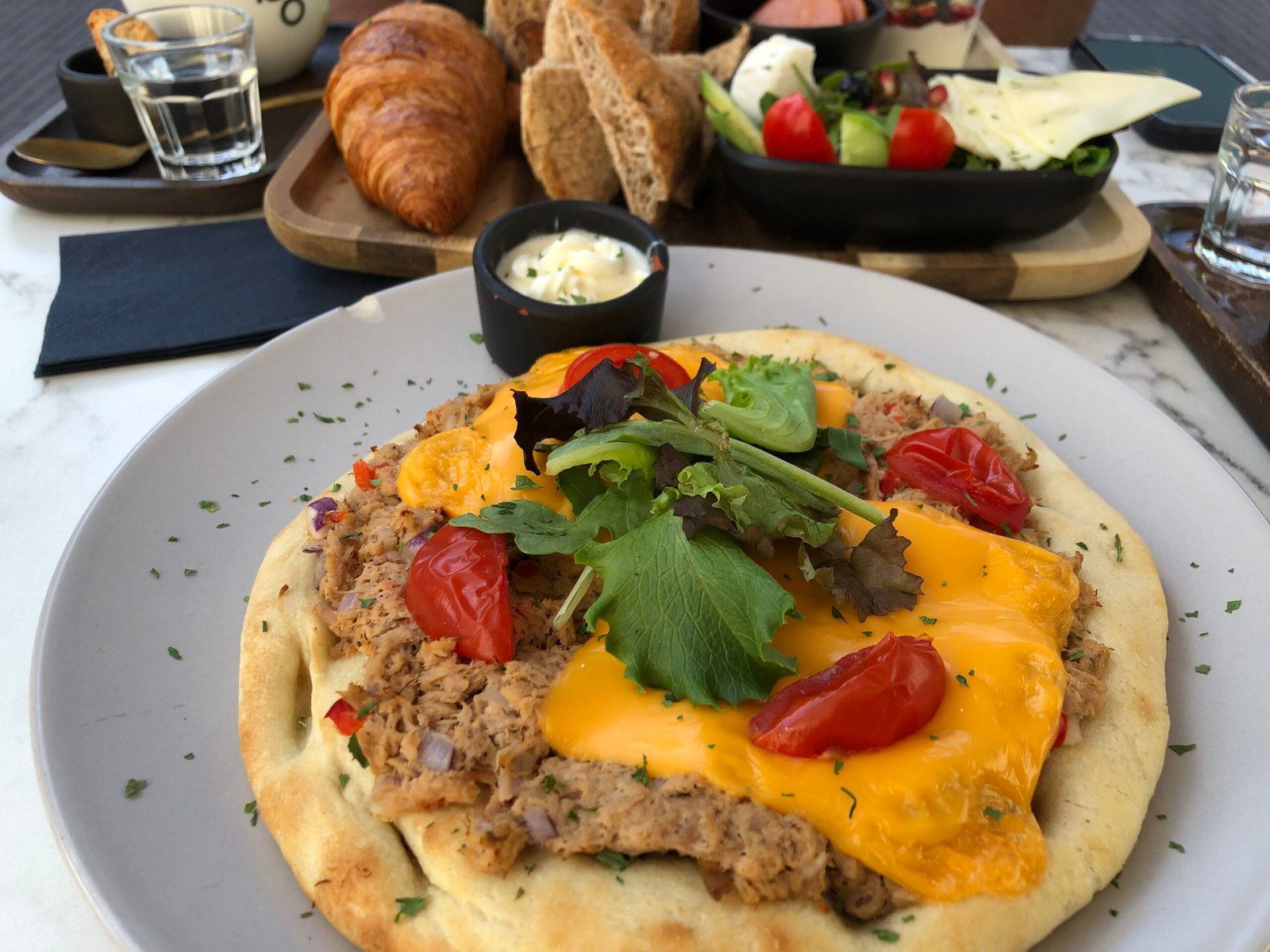
The next morning, we went to Lagom Café.
Small. Minimal. Cozy.
I remember sitting there with my coffee and just watching people go by.
No rush.
No pressure.
No “we have to see everything.”
Lagom is a Swedish word that means “just the right amount.”
And that’s exactly how that morning felt.
Just enough.
After pushing myself in Berlin, after freezing in traffic, after crying in the middle of a road — that café felt like balance returning.
When we took the train into Amsterdam for the first time, I was ready to love it.
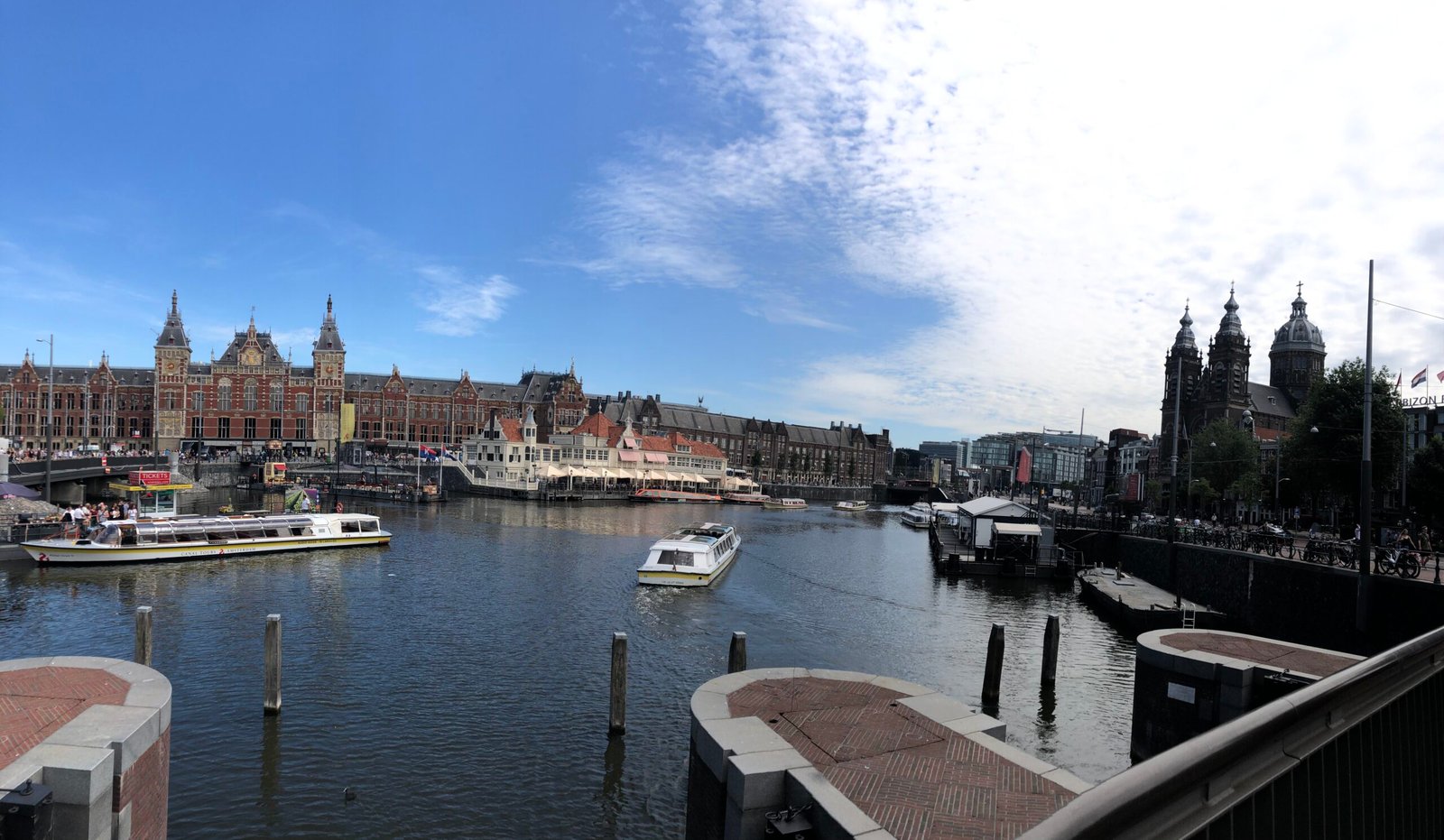
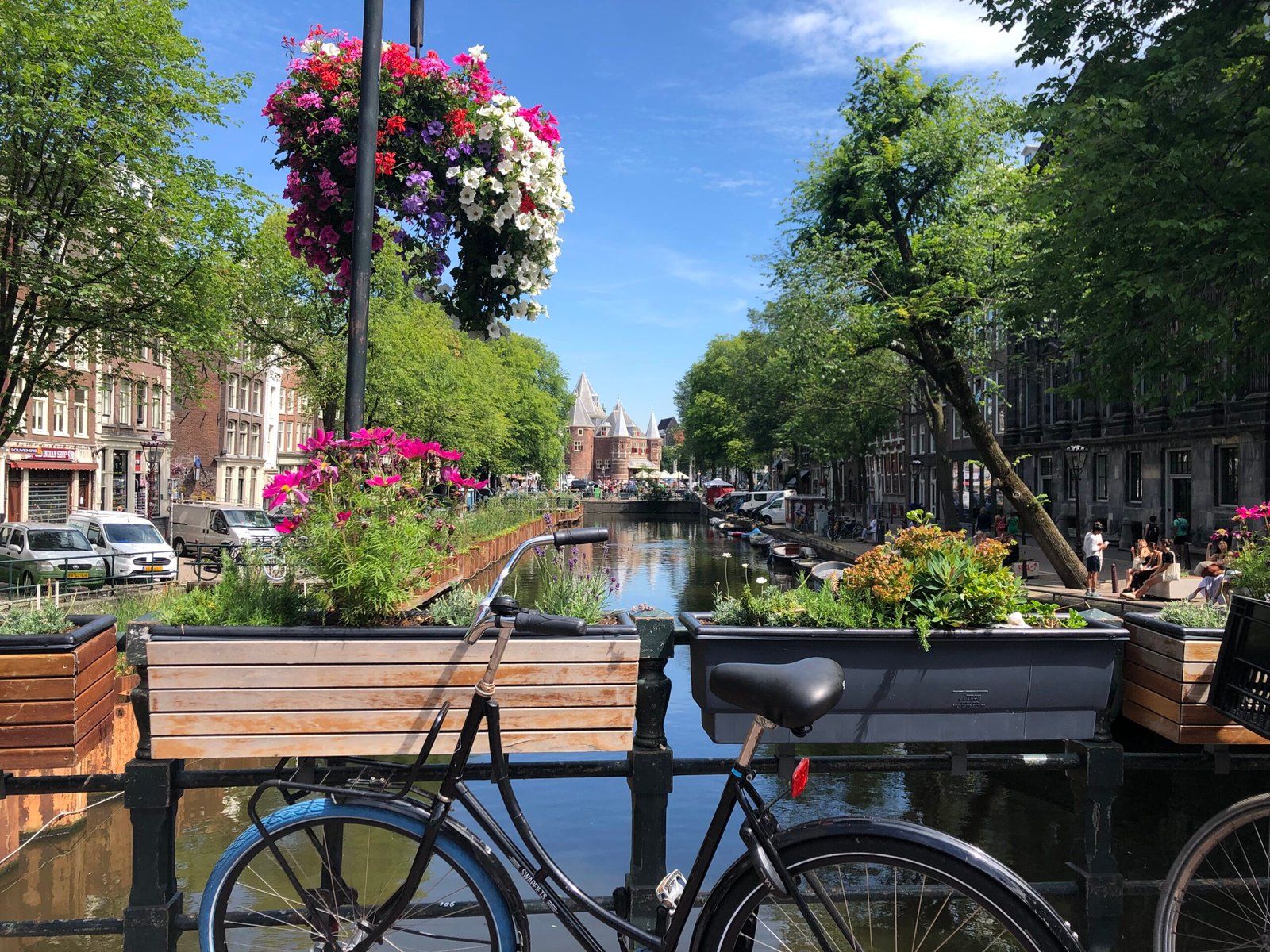
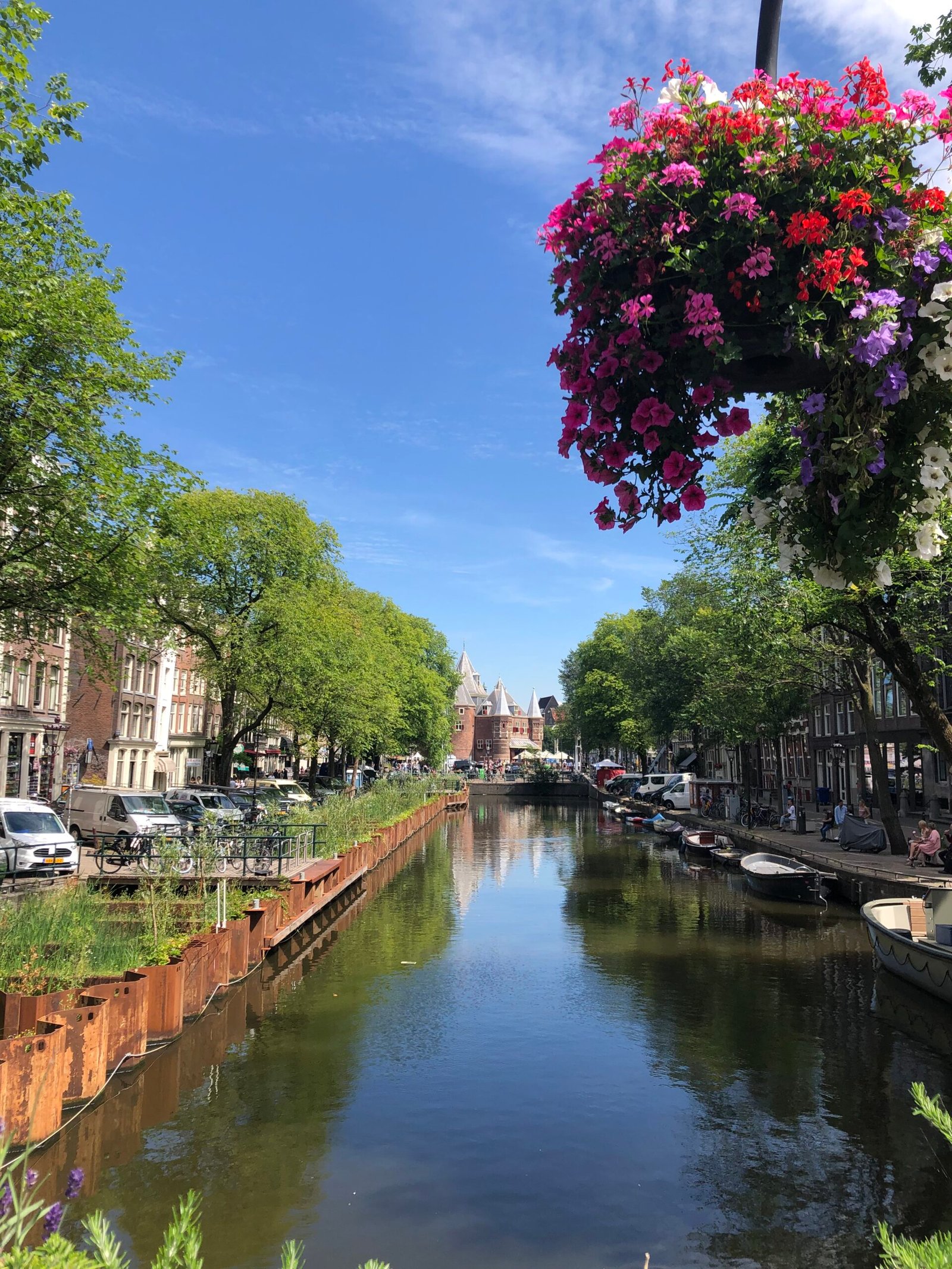
Amsterdam is built on water. Over 100 kilometers of canals. The city stands on wooden poles driven deep into the ground because the land is marshy.
In the 1600s, during the Dutch Golden Age, Amsterdam became one of the richest cities in the world. Trade ships arrived from Asia, Africa, and the Americas. The Dutch East India Company operated from here. Money, spices, art, power; everything flowed through Amsterdam’s canals.
You can feel that wealth in the narrow canal houses. Tall, elegant, slightly leaning forward.
They lean because:
It’s practical. It’s clever. It’s Dutch.
Berlin felt serious.
Amsterdam felt open.
Yes, you smell weed sometimes. It’s legal. It’s normalized. But, it doesn’t feel chaotic. It feels… integrated.
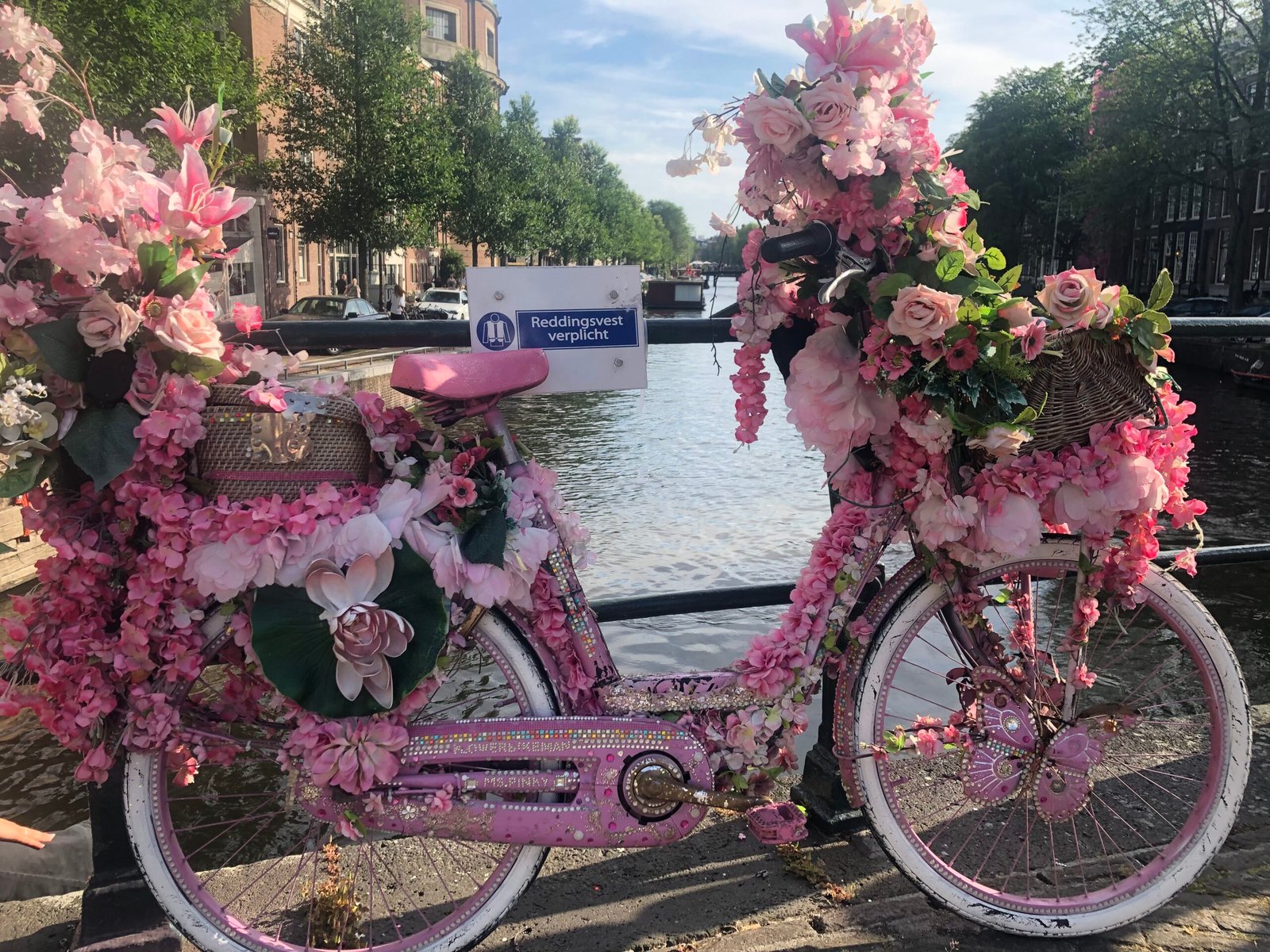
People are biking everywhere. With confidence. With ease. With groceries. With kids.
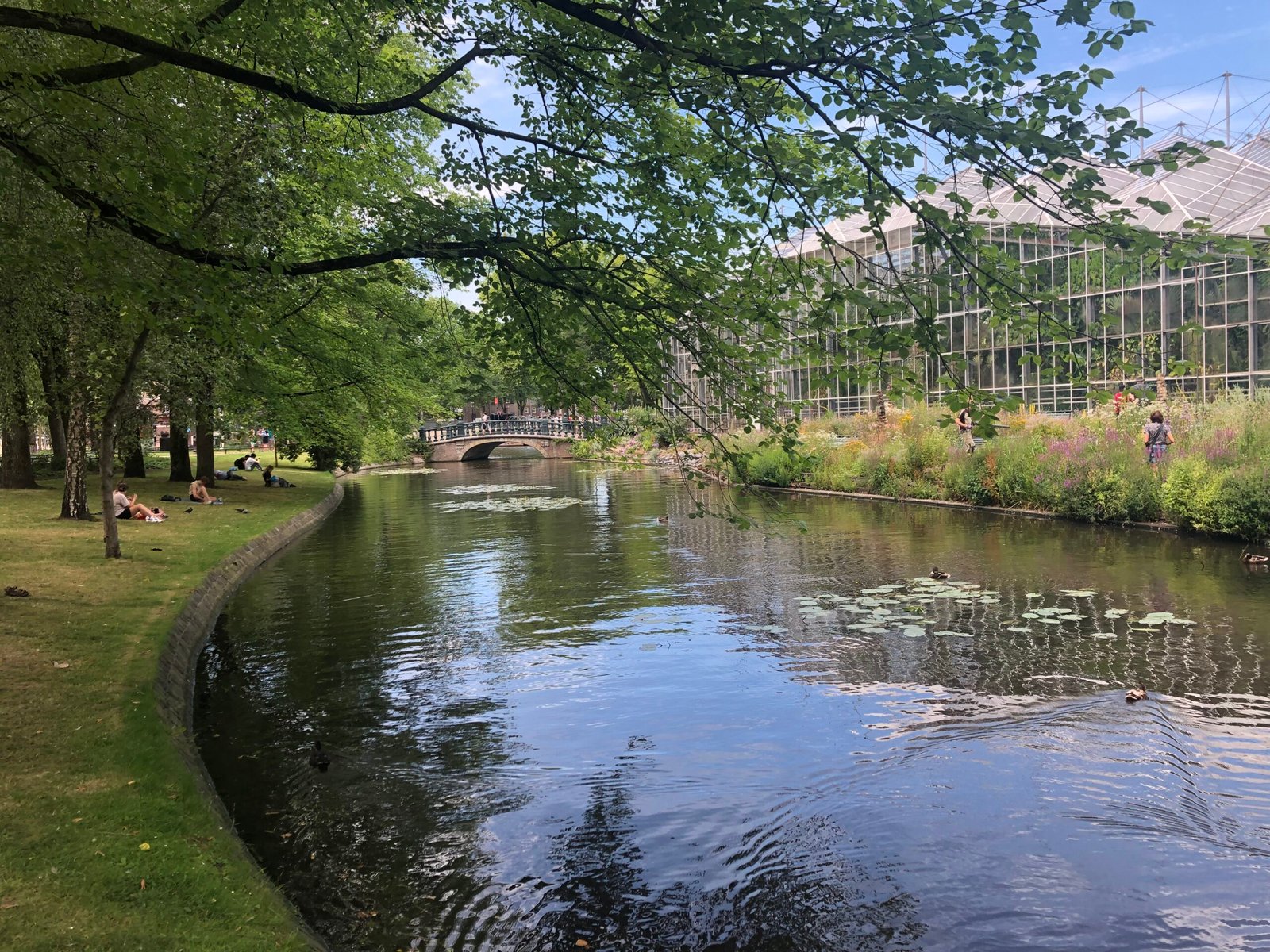
The canals reflect the sky.
People sit by the water with wine.
No one seems rushed.
I remember thinking:
“This city feels comfortable in its own skin.”
I expected it to feel sketchy.
It didn’t.
It felt regulated.
In the Netherlands, sex work is legal and protected. Workers pay taxes. There are health regulations. There are security systems. It’s structured.
It wasn’t what I imagined.
It wasn’t chaotic.
It was controlled.
That made me think about how different countries choose to deal with reality instead of pretending it doesn’t exist.
I think I loved Amsterdam because I had space again.
I wasn’t fighting my friend.
I wasn’t terrified on a bike.
I wasn’t sleep deprived.
I wasn’t shrinking myself.
I was walking.
Looking.
Eating.
Breathing.