A Short History of Berlin

Leaving Prague felt like leaving a fairytale.

Berlin did not welcome me with cobblestones and swans.

It welcomed me with steel, glass, history, and weight.

And honestly? That contrast is exactly what makes Berlin unforgettable.

From Prague to Berlin by Train (What You Should Know)

We took the train from Prague to Berlin, and this is actually one of the most beautiful train routes in Europe.

  • Duration: ~4 hours

  • Direct train: Yes (EuroCity / EC trains)

  • Scenic route: Along the Elbe River between Prague and Dresden

The views at the beginning are stunning — green hills, rivers, tiny villages. Then slowly, the landscape shifts into something more industrial as you approach Germany.

Pro tip:
Book a seat in advance and try to sit on the left side, leaving Prague for better river views.

We arrived at:

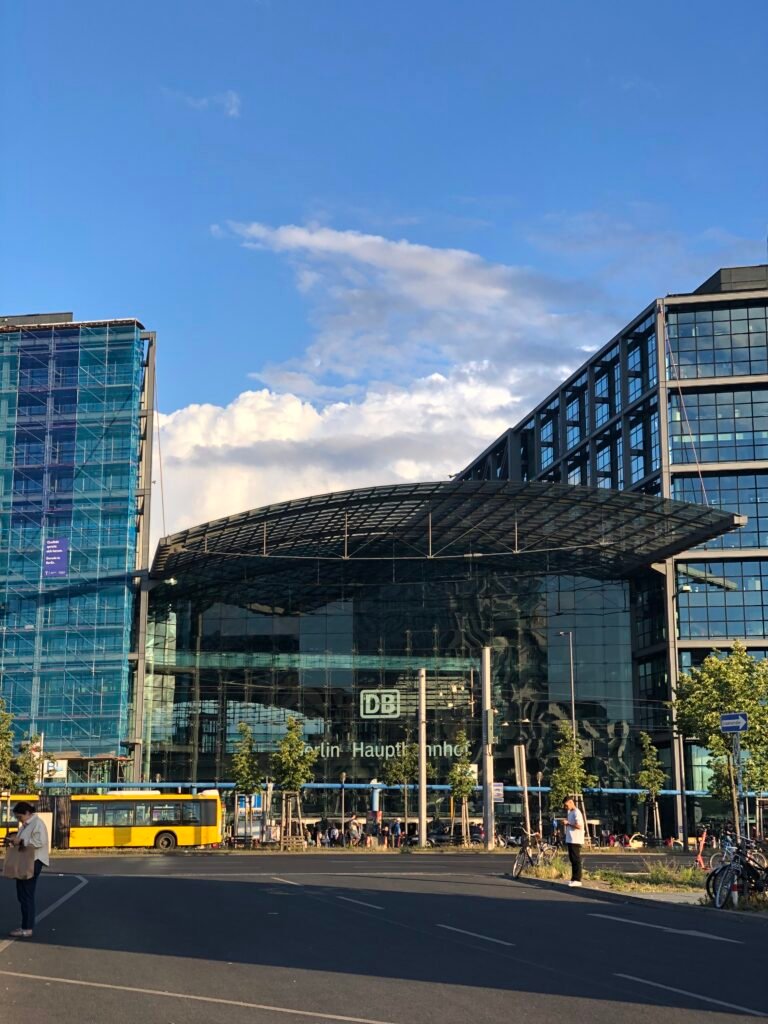
Berlin Hauptbahnhof (Berlin Central Station)

Berlin Hauptbahnhof is massive. Modern. Glass everywhere. Levels stacked on levels.

If Prague felt romantic, Berlin Hauptbahnhof feels efficient.

It can be overwhelming if:

  • You don’t speak German

  • You don’t have mobile data

  • You’re carrying a suitcase up and down stairs

There are elevators, but not always where you expect them.

From here, you can take:

  1. S-Bahn (urban trains)

  2. U-Bahn (metro)

  3. Bus

  4. Tram

Getting to Ibis from Berlin Hauptbahnhof

We stayed at the Ibis Berlin Mitte (near Alexanderplatz).

From Hauptbahnhof, you can:

Option 1 (Fastest):

  • Take S-Bahn (S3, S5, S7, S9) to Alexanderplatz

  • Duration: ~10 minutes

Option 2:

  • Tram or bus, depending on the exact hotel location

Alexanderplatz is one of Berlin’s main hubs; busy, loud, very different from Prague’s Old Town charm.

A Short History of Berlin 

Berlin is not a city you “just visit.”

You walk through history here.

Quick timeline:

  • 13th century: Berlin was founded

  • 1700s–1800s: Capital of Prussia

  • 1933–1945: Nazi regime, World War II

  • 1945: City divided into East and West Berlin

  • 1961–1989: The Berlin Wall separates the city

  • 1989: Fall of the Berlin Wall

  • 1990: Germany reunified

You don’t see the Wall everywhere anymore.

But you feel the split.

Berlin feels layered. Heavy. Intellectual. Political.

The Berlin You See

Let’s talk about the landmarks, because visually, Berlin is powerful.

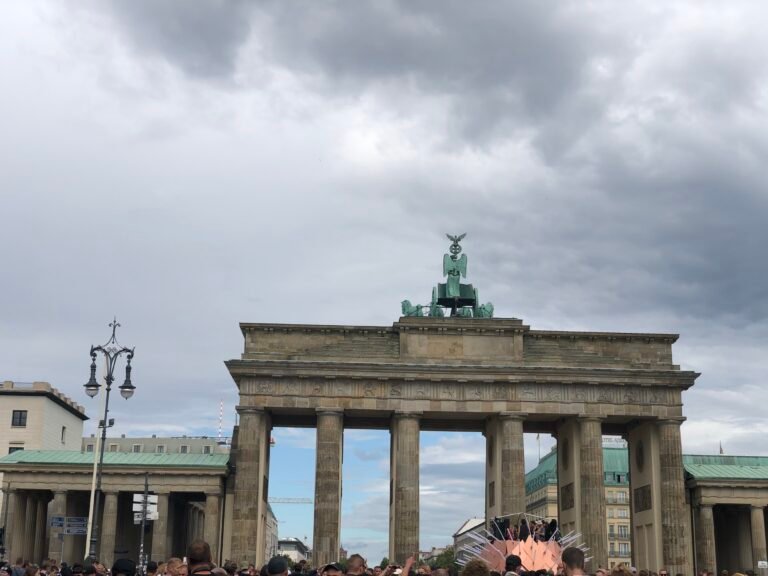
Brandenburg Gate

 

Built in the 18th century.
Once a symbol of division.
Now a symbol of unity.

Standing there, you realize:
This gate saw emperors.
Nazis.
The Cold War.
And now tourists with cameras.

It’s surreal.

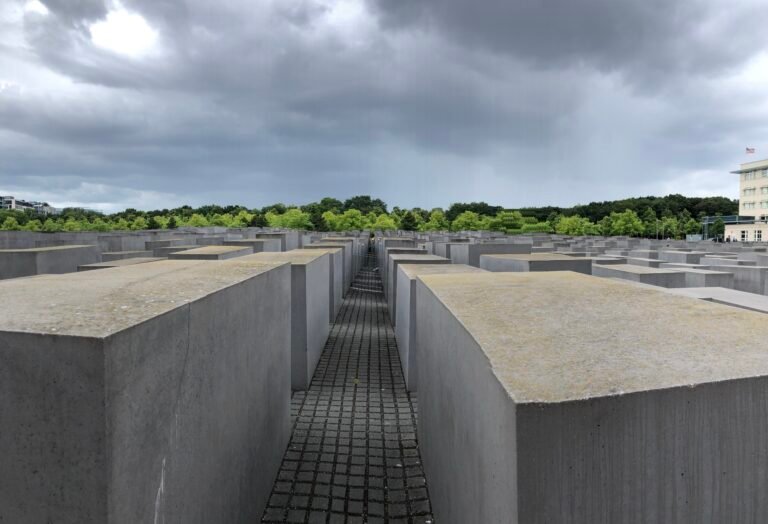
The Holocaust Memorial


2,711 concrete slabs.

No names.
No explanations on the surface.

Just silence.

Walking through it feels disorienting. The ground slopes. The slabs grow taller. You feel smaller.

Berlin does not hide its history.
It forces you to walk through it.

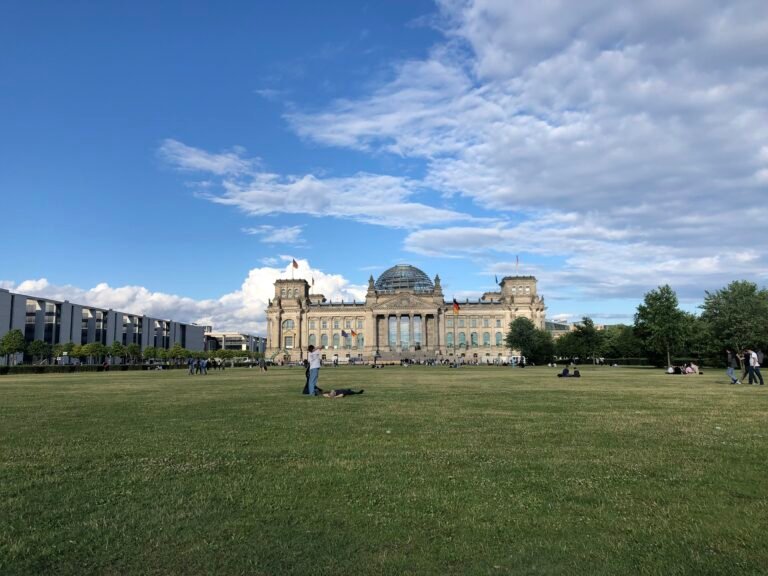
Reichstag Building


Home of the German Parliament.

The glass dome on top symbolizes transparency in government after dictatorship.

You can actually go inside (free entry, but book online in advance).

From the lawn outside, you see:
Politics.
Architecture.
And people casually picnicking.

Berlin is serious, but also relaxed.

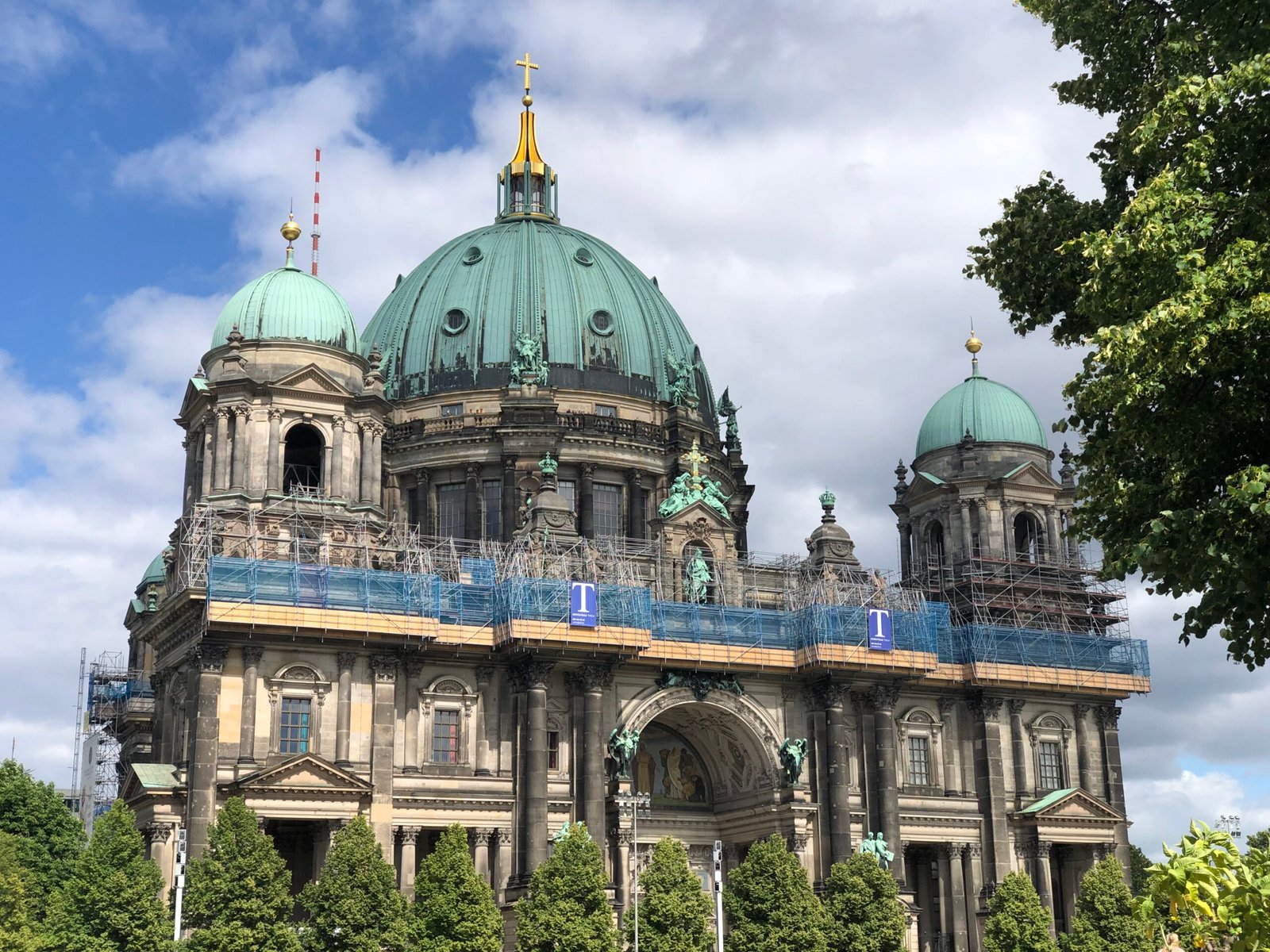
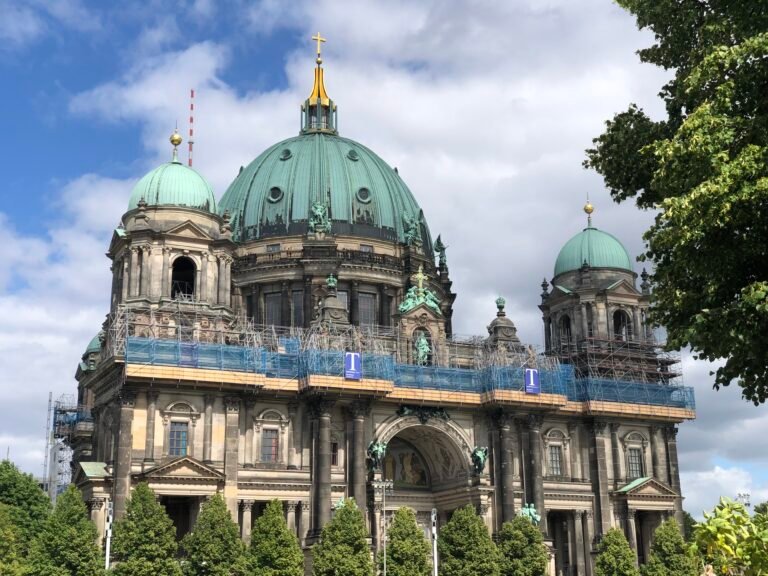
Berlin Cathedral (Berliner Dom)


Huge green domes.
Baroque details.
Massive presence.

Located on Museum Island.

It feels grand and imperial, very different from the rest of Berlin’s modern edges.

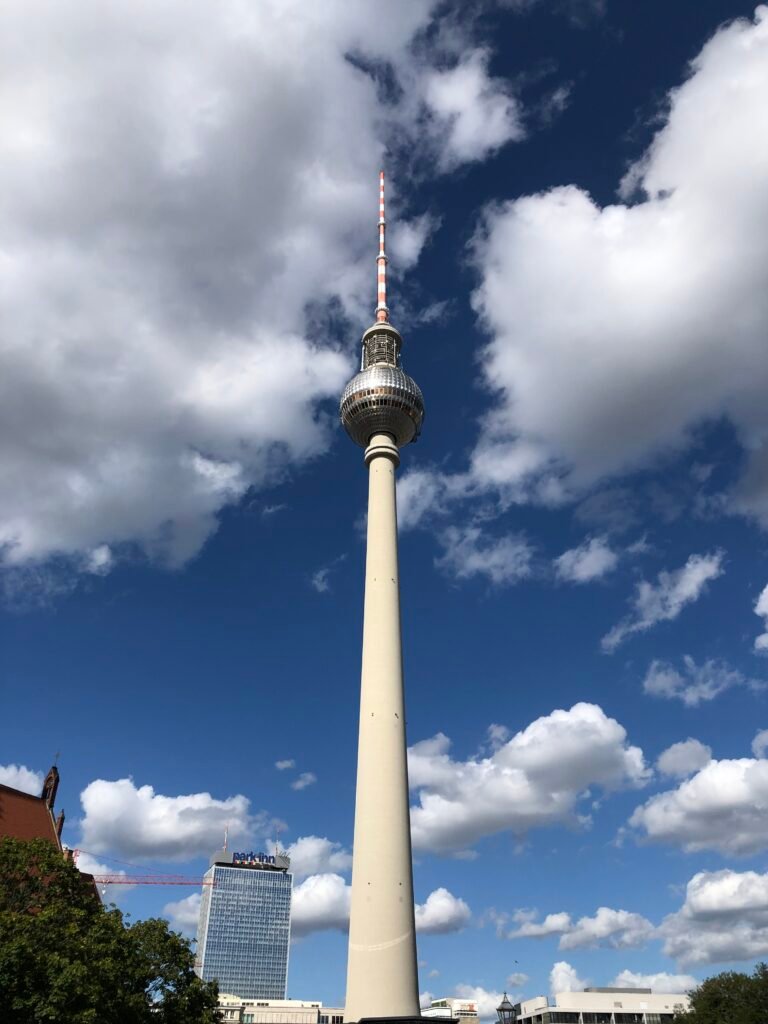
Fernsehturm (TV Tower)

368 meters tall.
Built in East Germany.

You can see it from almost everywhere.

It’s futuristic. Sharp. Cold.

Very Berlin.

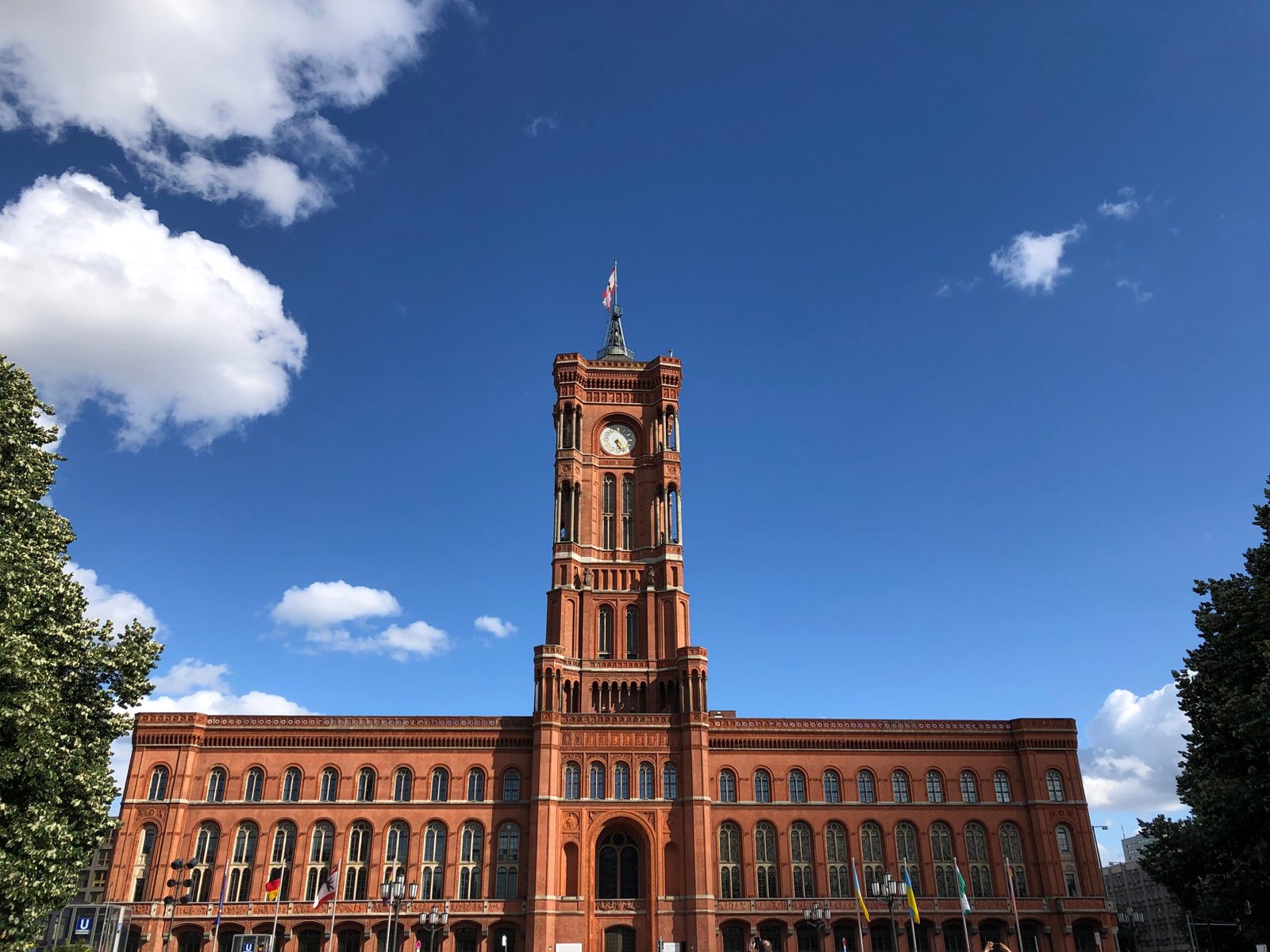
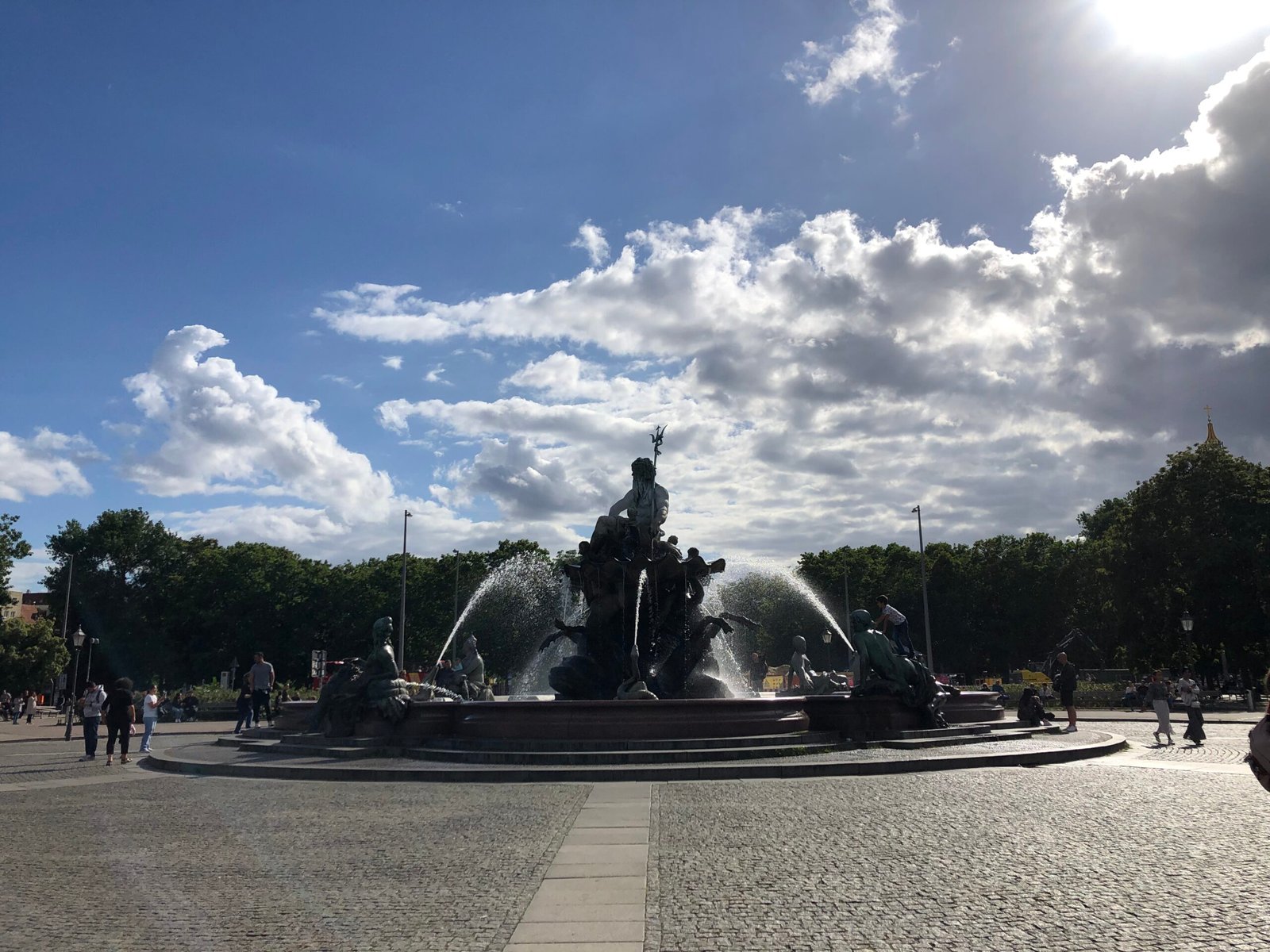
Rotes Rathaus & Neptune Fountain

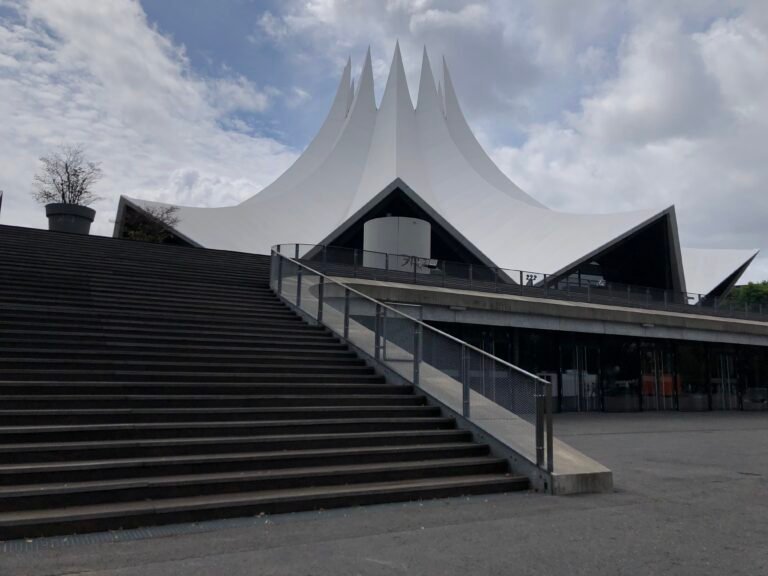
Tempodrom

That white tent-shaped building?

Very Berlin.
Minimalist.
Architectural.
Unexpected.

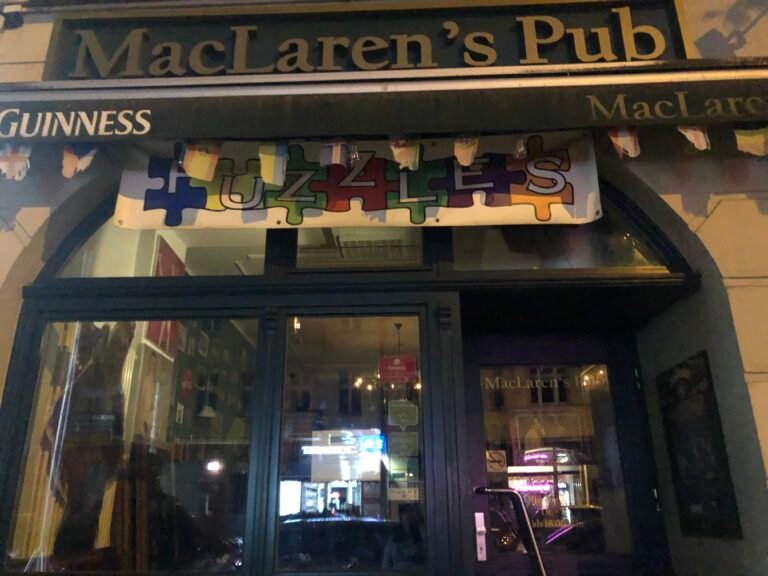
MacLaren’s Pub

My favorite TV Show!

Inspired by How I Met Your Mother.

P.S They are closed on Mondays.