After spending almost a month in Rome, Barcelona was the next destination on my European digital nomad trip. I flew there with Ryanair and had ten days to explore the city before continuing to Valencia.
At least, that was the plan.
On my final day in Rome, I could already feel myself getting sick. A cold had been spreading through the hostel, and by the time I arrived in Barcelona, it had turned into something much worse. I had the flu, a fever and absolutely no energy. Out of the ten days I spent in Barcelona, I was sick for almost five of them.
It was not exactly how I had imagined my first visit to Spain. But between the fever, pharmacy visits and an online doctor’s consultation, I still managed to discover an incredible amount of Barcelona—and somehow, I left with memories of Gaudí, tapas, flamenco, beaches, new friendships and the joy of finally finding rice again.
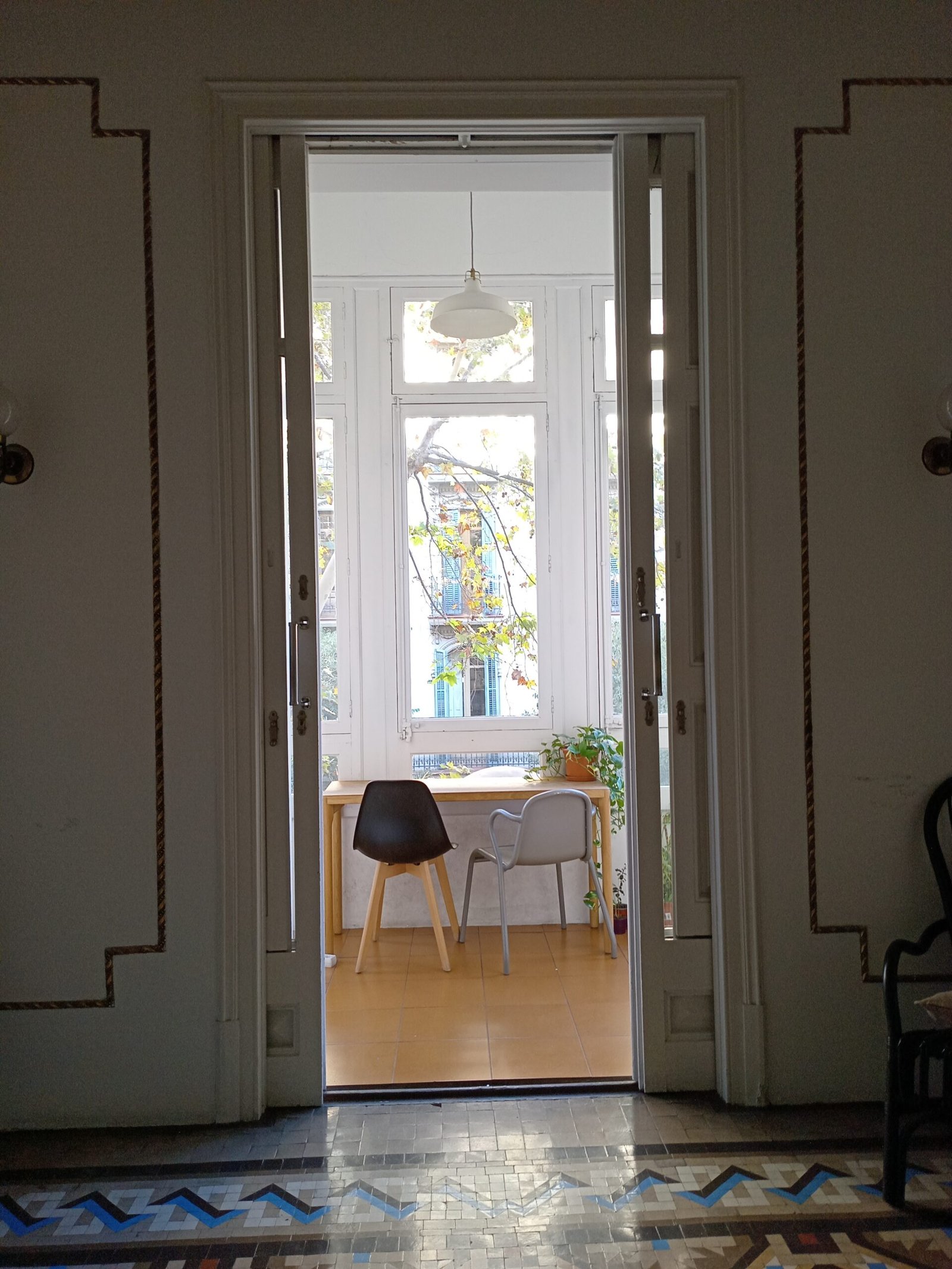
For my stay, I booked a bed at CoImpact Coliving on Carrer del Bruc. I had deliberately chosen accommodation in an area that felt safe because I had heard so many warnings about pickpocketing in Barcelona.
The location turned out to be a very good choice. The neighbourhood was pleasant; I felt comfortable walking around it, and I could reach many parts of Barcelona easily.
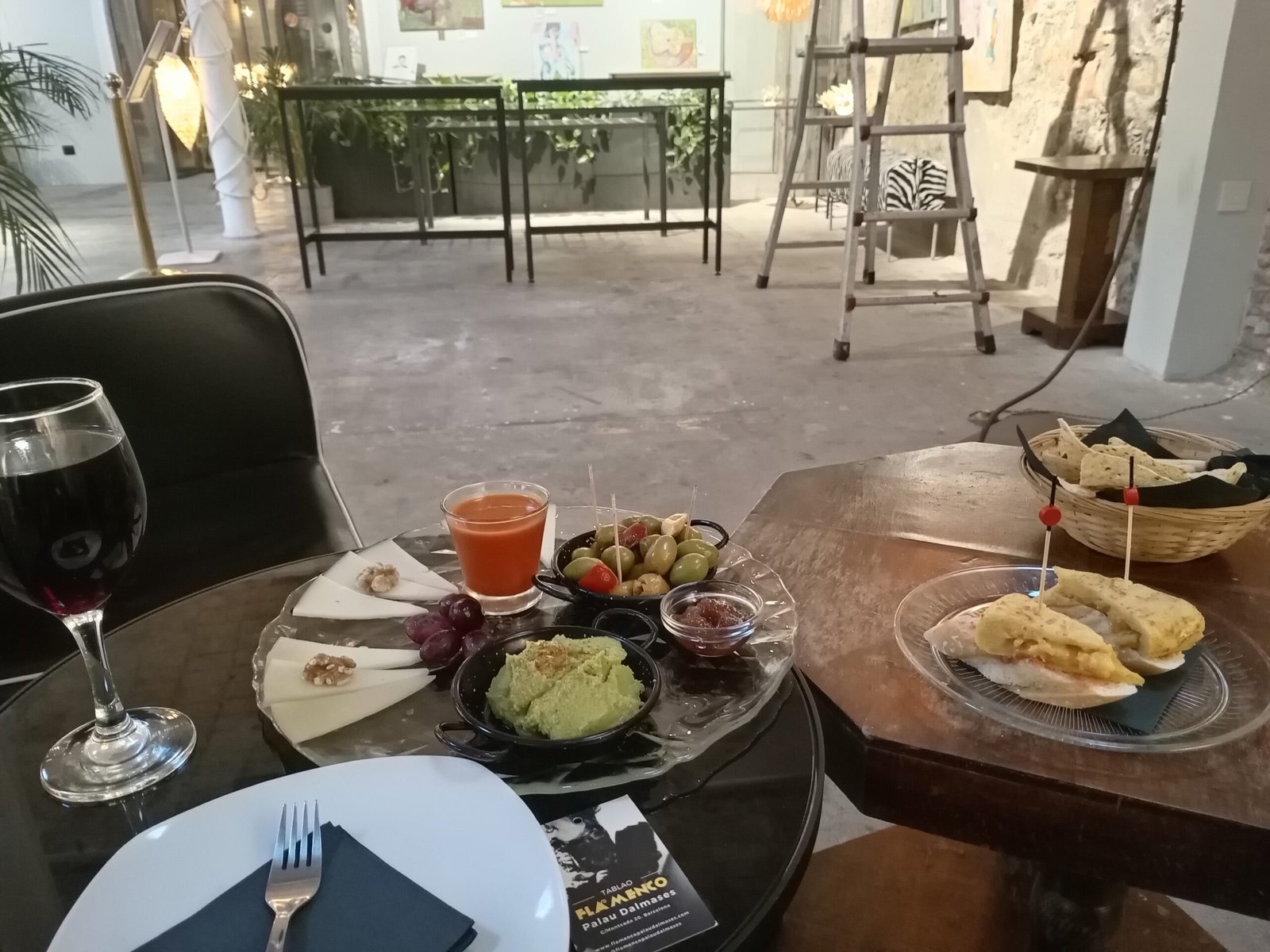
I initially stayed in a four-person mixed dorm. The people sharing the room were lovely, and on my first day, I went out with them to explore. That was when I had my first tapas and sangria in Spain.
Was drinking sangria while I was already getting sick the most sensible decision? Probably not. But it was my first day in Barcelona, and apparently I was committed to the experience.
Because I was working remotely during the trip, the co-living setup was also practical. I could prepare lunch or dinner there when I did not want to eat outside, and I always made my own breakfast. Even when I travel, I prefer having breakfast where I am staying and then leaving for the day. I do not usually enjoy beginning the morning by searching for somewhere to eat.
By the time I properly settled into the co-living, my flu had become much worse. I went to a pharmacy and bought medicine, but it did not seem to help. Eventually, the fever and other symptoms became bad enough that I knew I needed to speak to a doctor.
Finding medical help in a country where you do not speak the language can feel intimidating, especially when you are travelling alone. Thankfully, I found an English-speaking doctor who offered an online consultation. I spoke to him through WhatsApp on my phone, explained what was happening, and he prescribed antibiotics.
Having access to an online consultation was such a relief. I did not have to find my way to a clinic while I was exhausted and feverish, and I could speak to someone in English from my room. Around the fifth day, after beginning the prescribed treatment, I finally started feeling better.
Losing half of a ten-day trip to illness was frustrating. At the same time, getting sick abroad is one of those realities that does not normally appear in the beautiful version of travel we share online. Sometimes travelling alone means visiting famous landmarks and meeting interesting people. Sometimes it means trying to explain your symptoms through a phone while lying in a dorm room.
Thankfully, Barcelona was waiting for me once I recovered.
One of my happiest moments after arriving in Barcelona involved something very simple: rice.
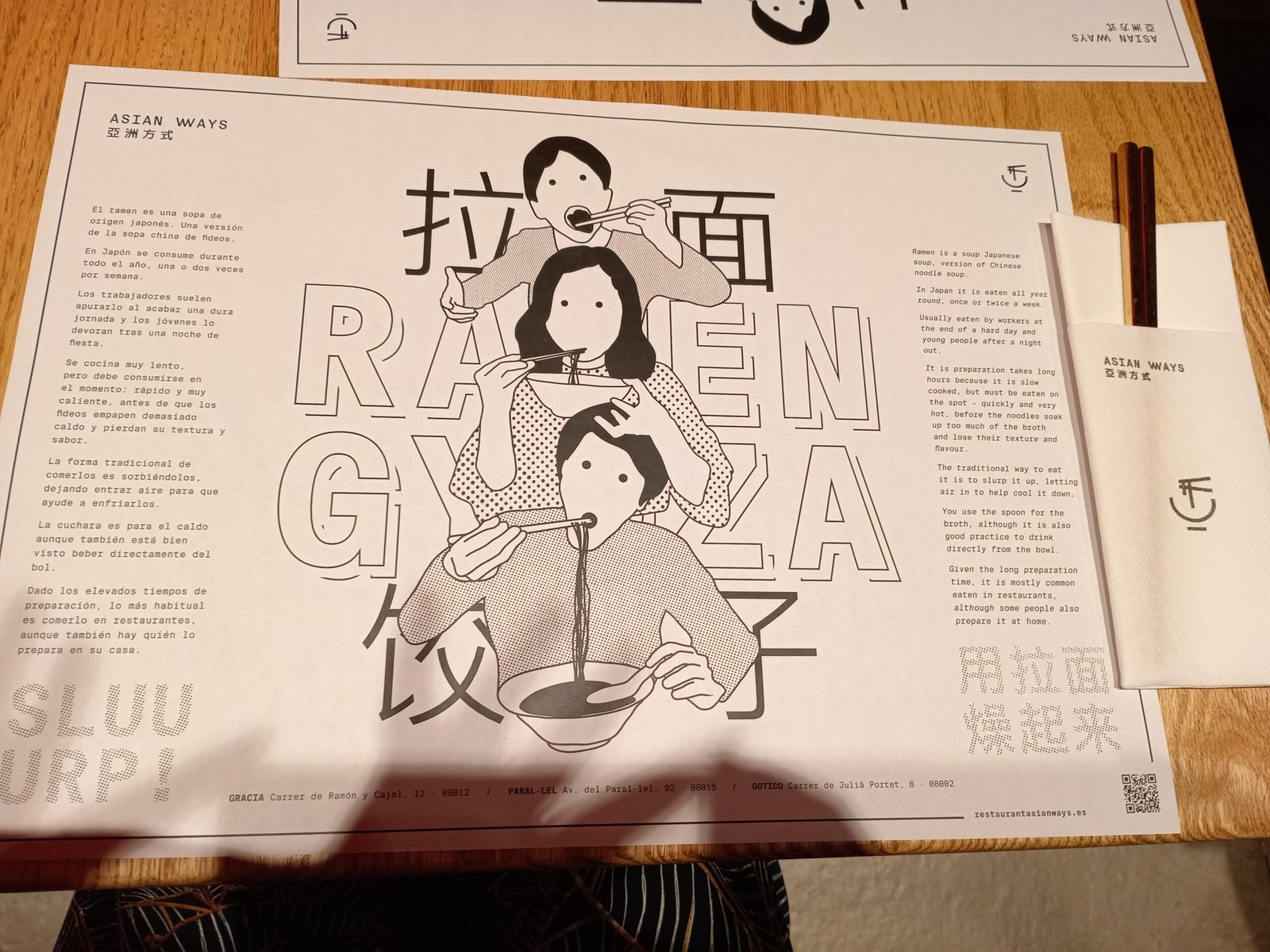
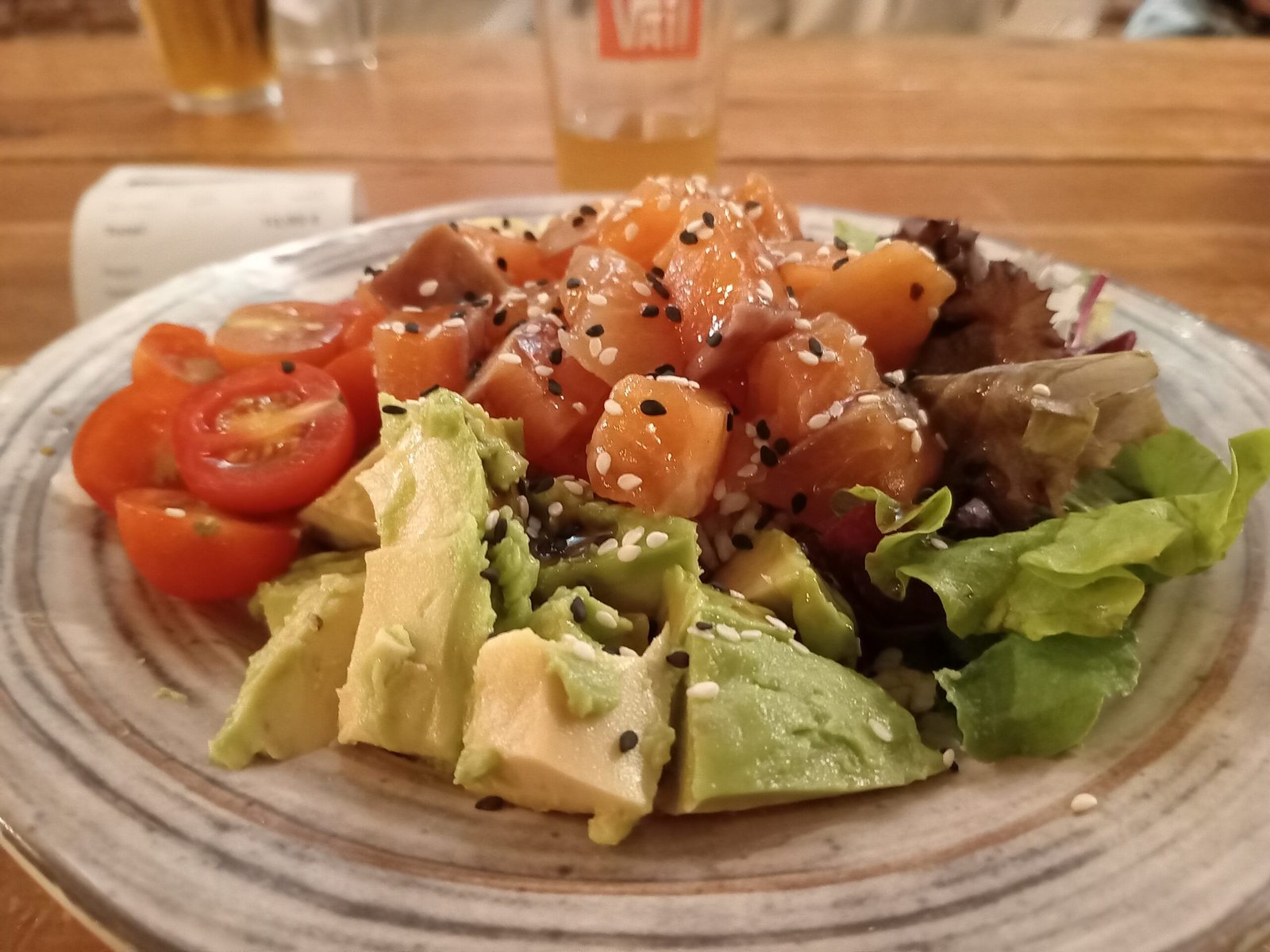
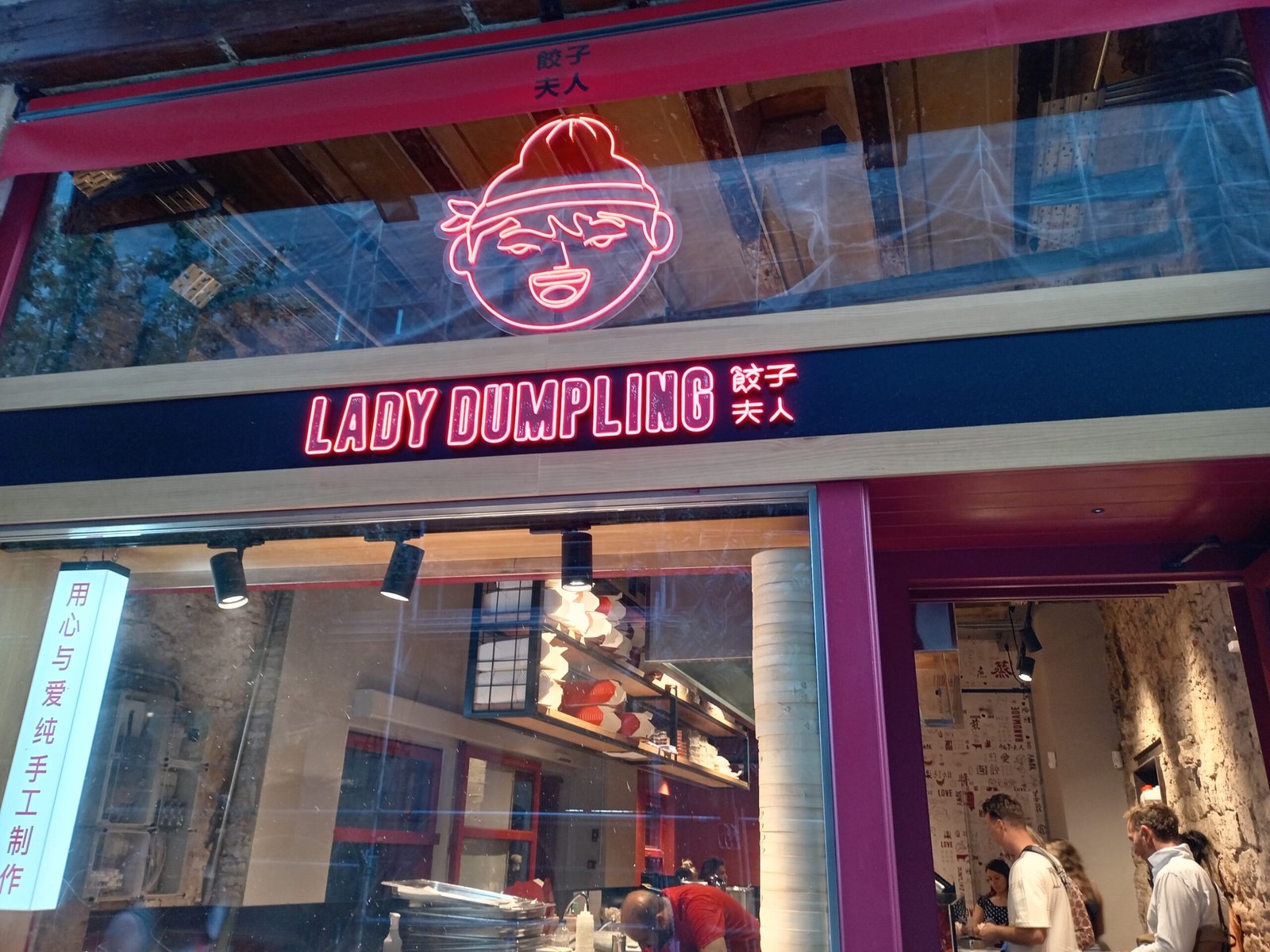
After spending almost a month in Rome, I was craving it. I had found it surprisingly difficult to find Asian restaurants or the kind of rice dishes I wanted while I was there. Barcelona, on the other hand, seemed to have every kind of restaurant.
My first meal in the city included rice, and I was ridiculously happy about it. It might not sound like an important travel memory, but after weeks of pasta and pizza, it tasted exactly like what I needed.
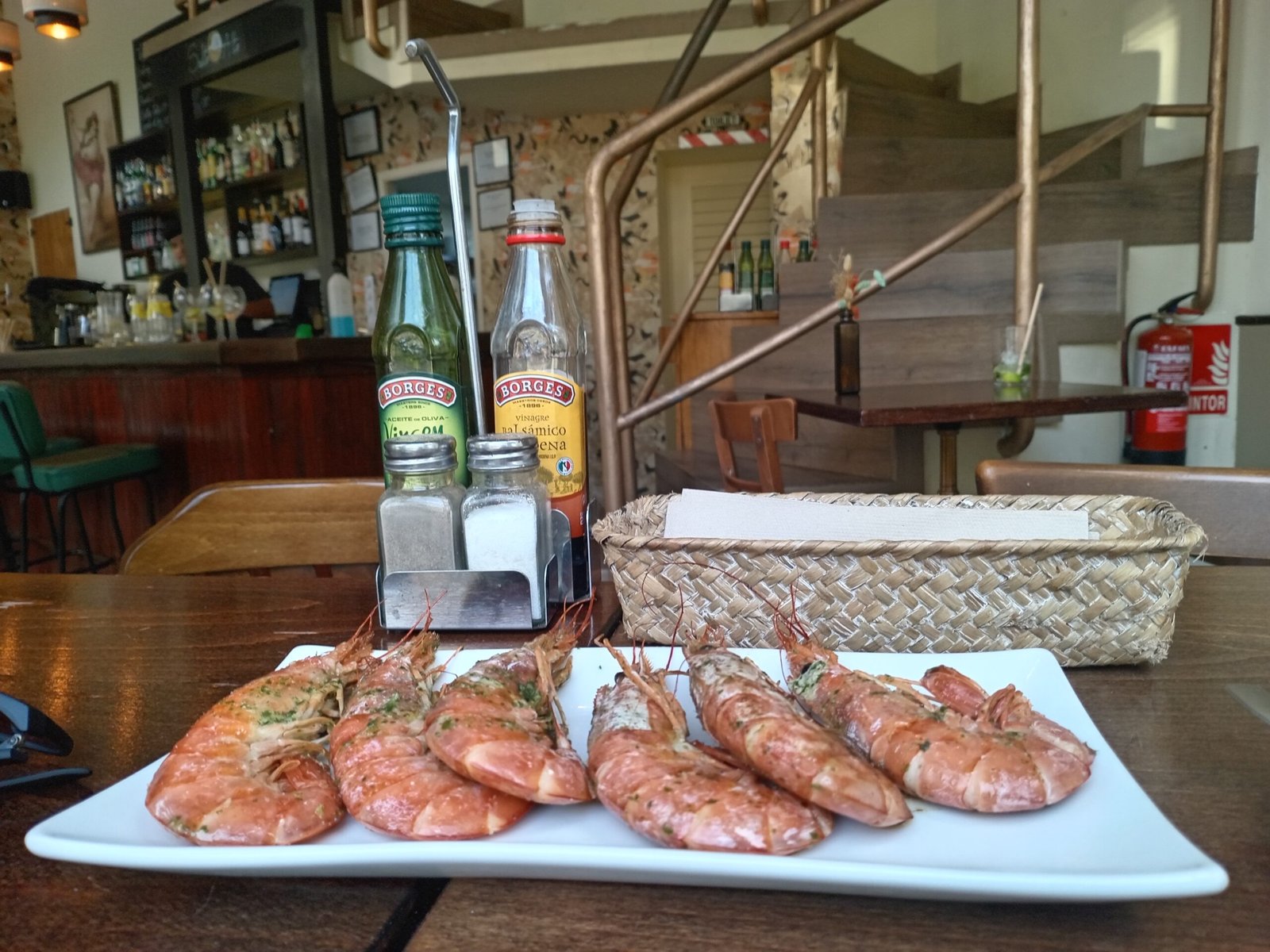
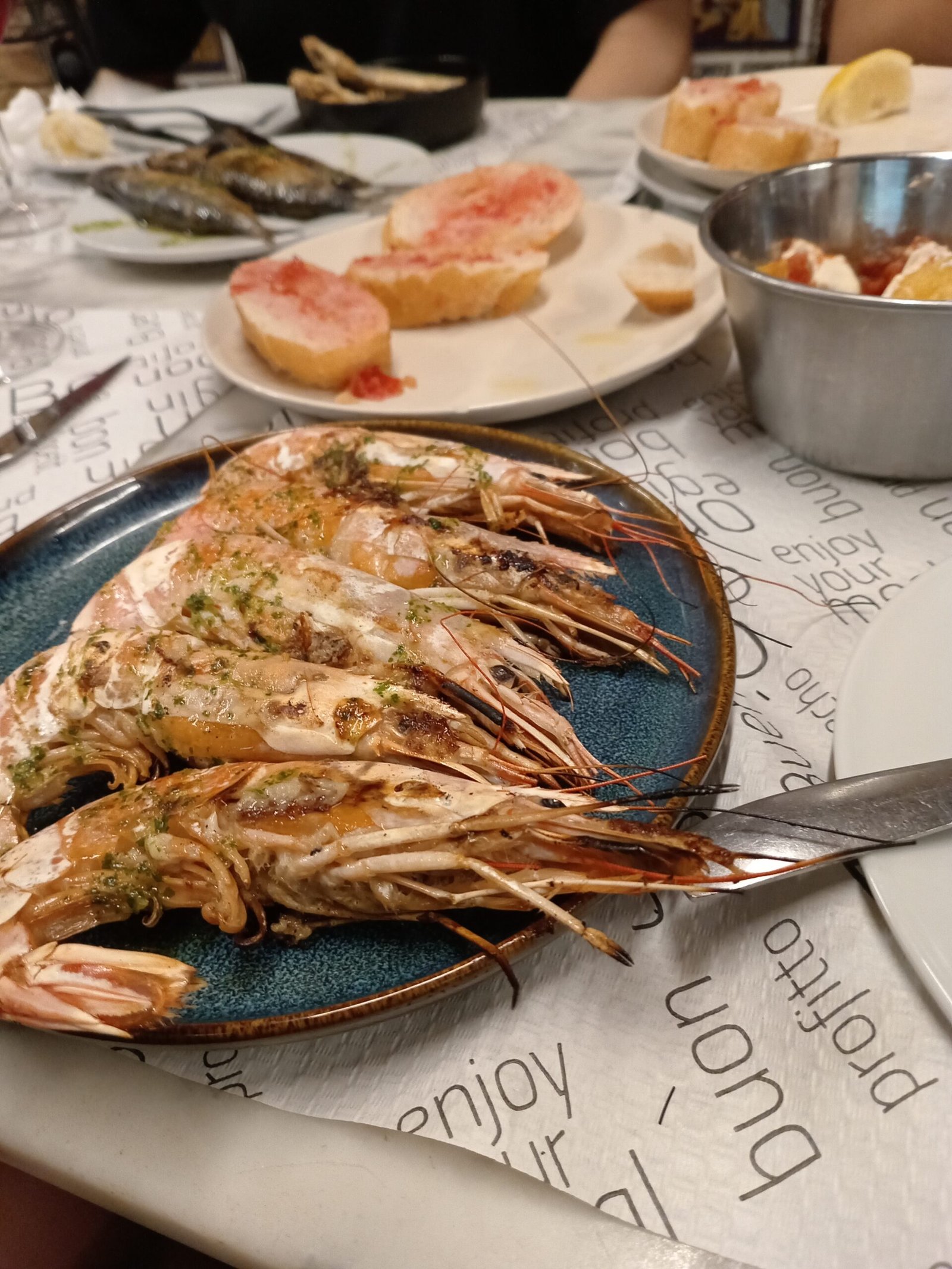
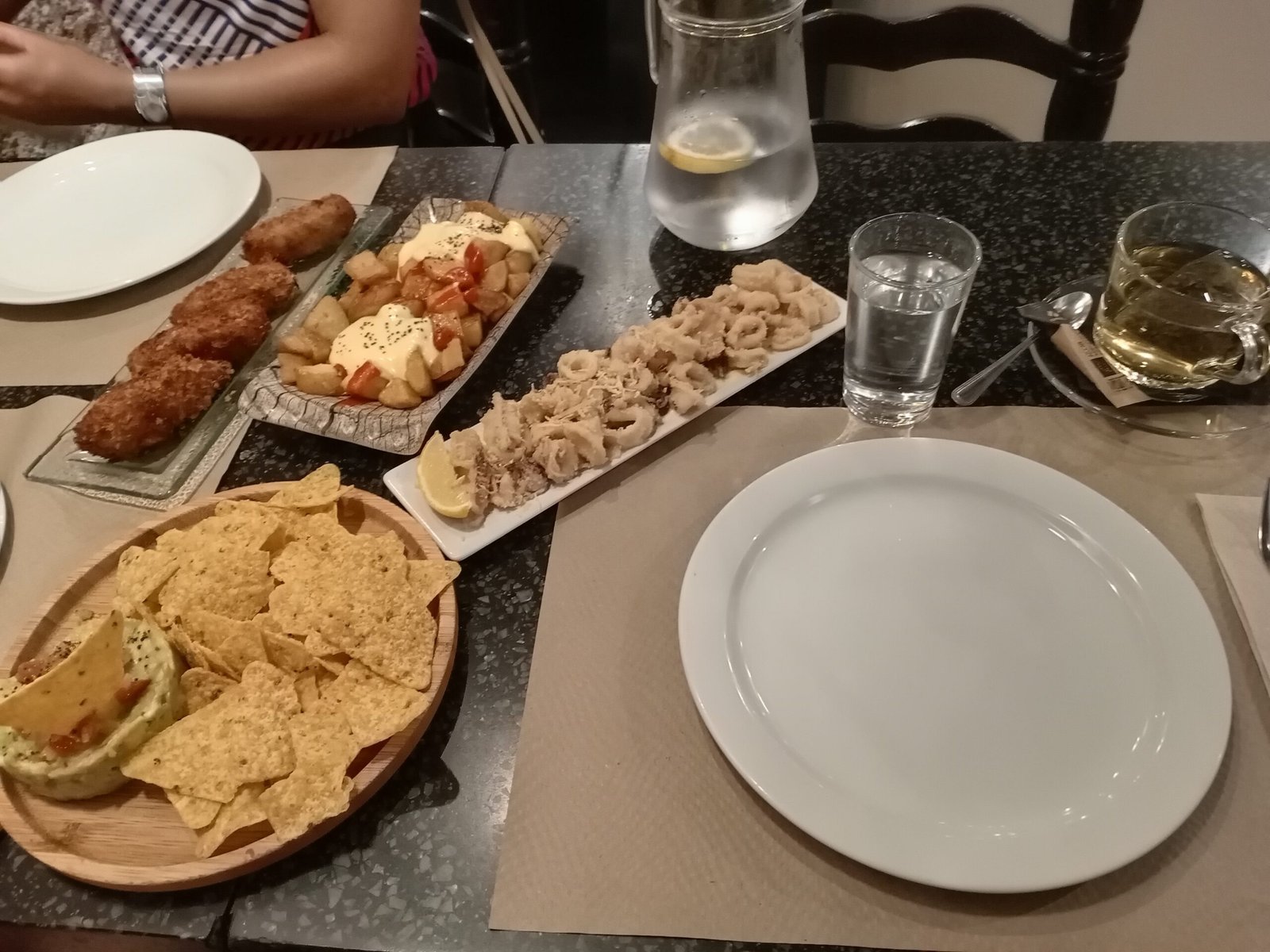
I also discovered Spanish food culture during those ten days. There were tapas, sangria and churros, but I also noticed how differently people organized their days around meals. Dinner happened much later than I was used to, often after drinks or tapas. I learned about the tradition of the siesta, and I quickly realized that many places could be closed on Sundays.
One of the most interesting food stops was La Boqueria, officially called Mercat de Sant Josep de la Boqueria. Its colourful entrance opened into a busy market filled with food stalls, produce and people. Barcelona’s range of food became one of the things I appreciated most about the city. Whether I wanted Spanish food or something completely different, there always seemed to be an option.
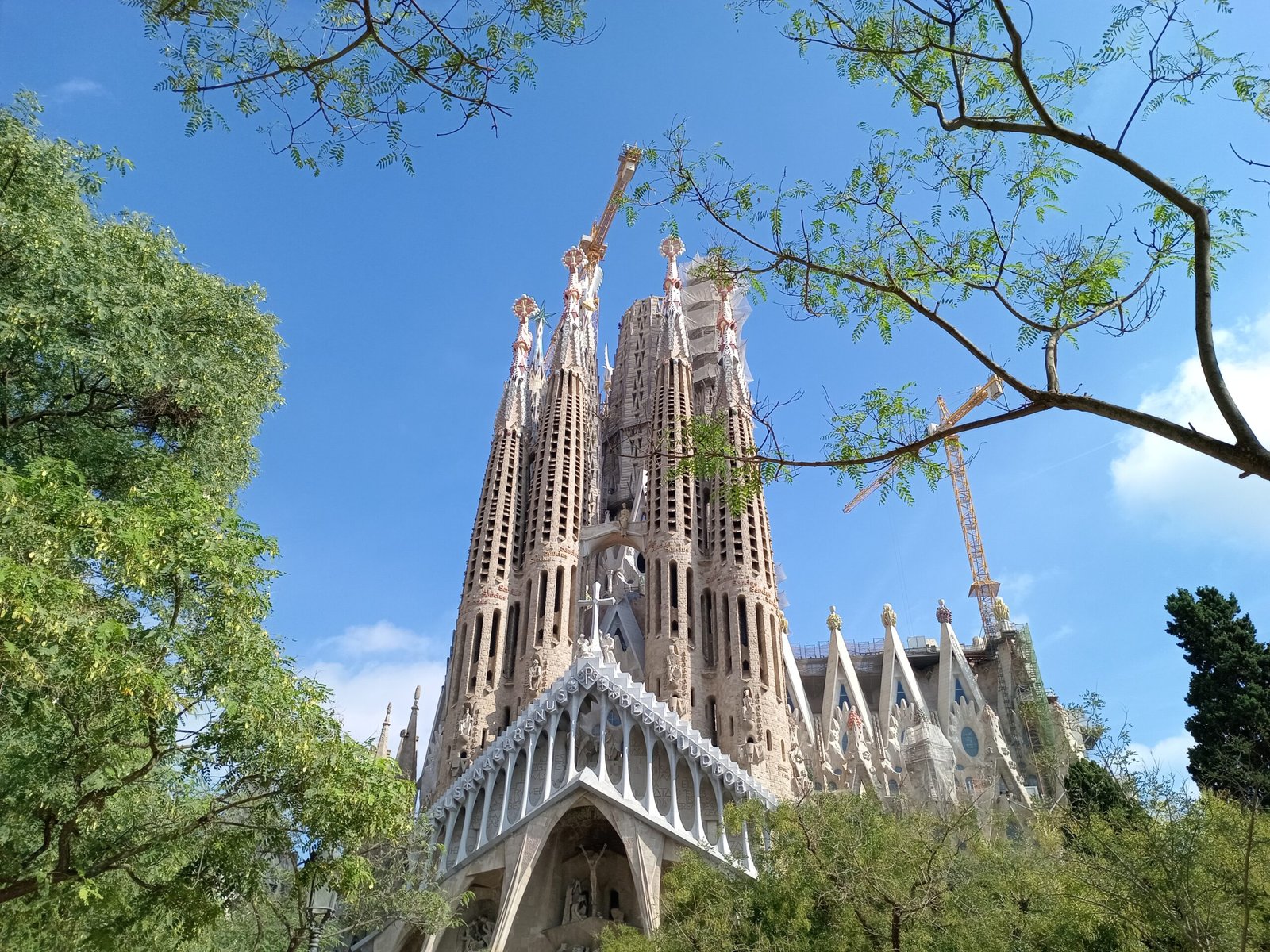
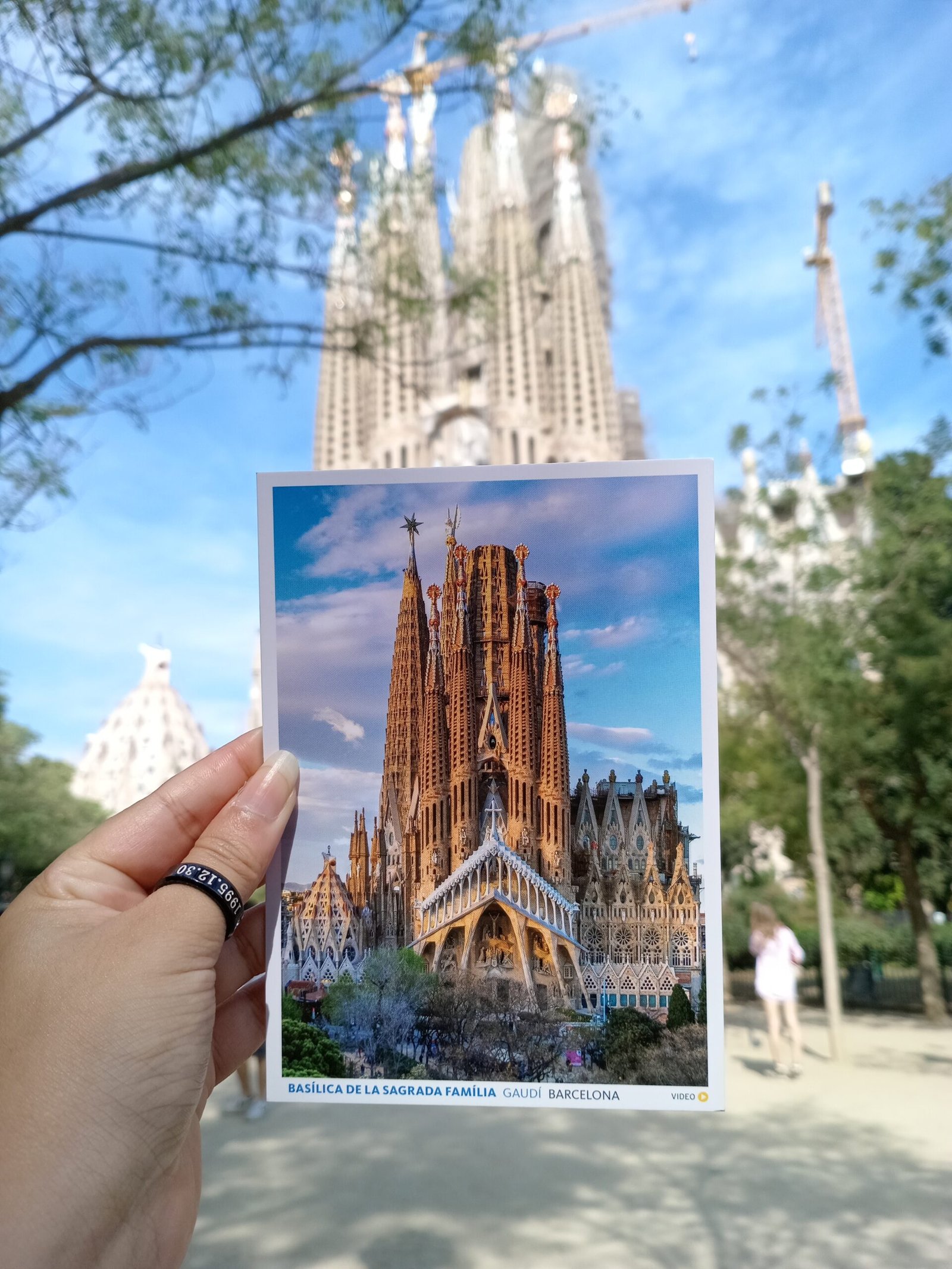
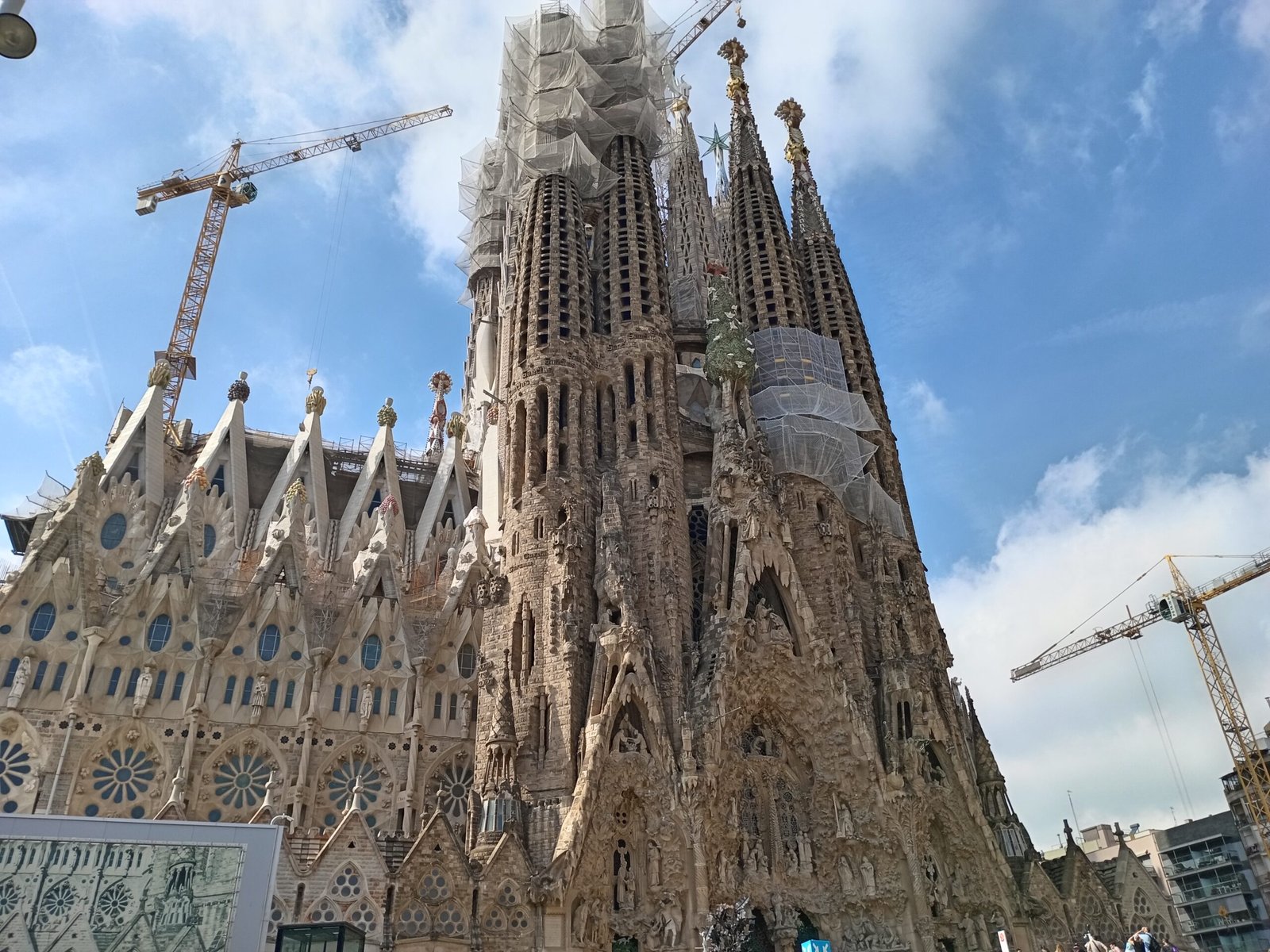
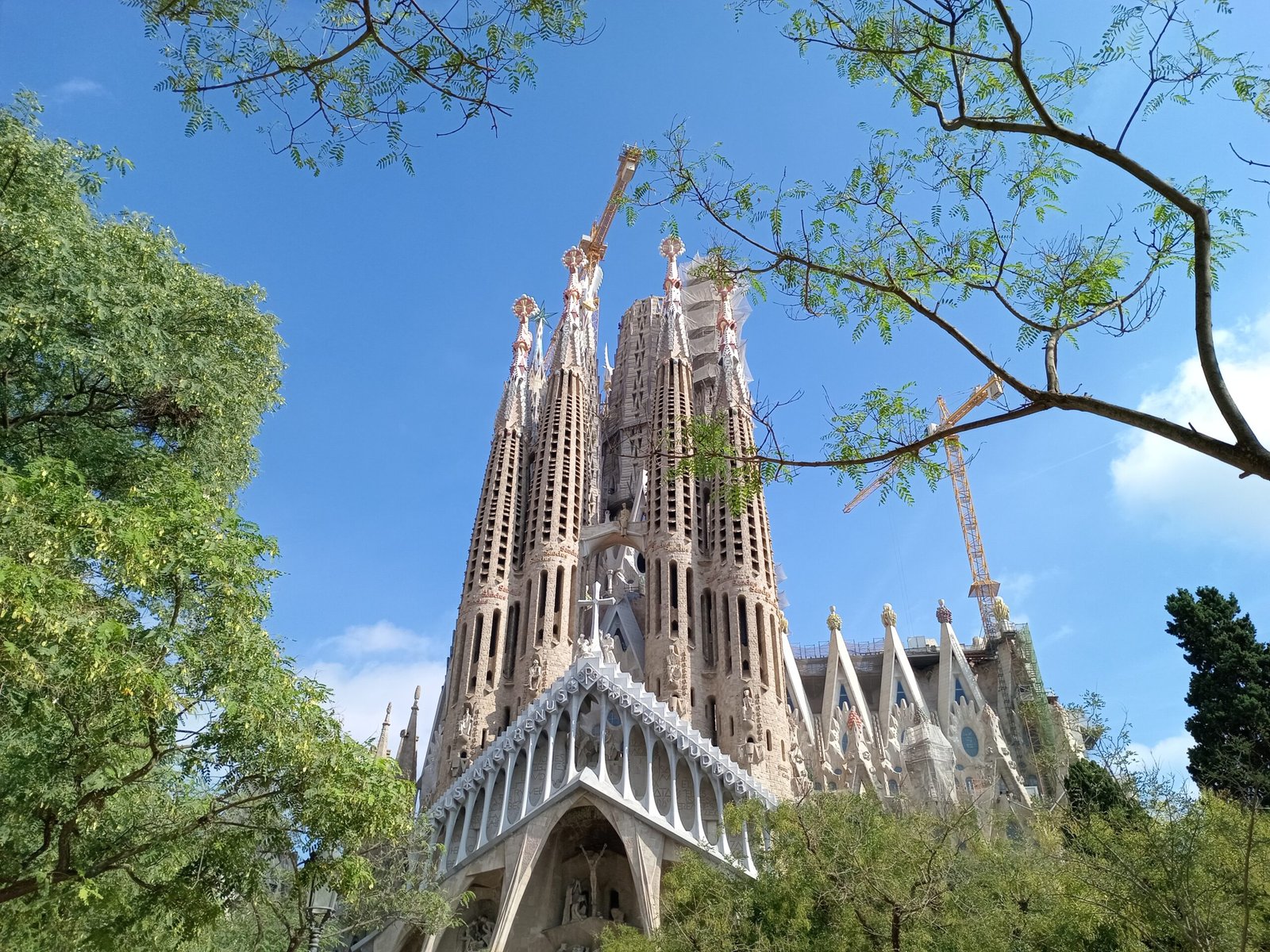
Before visiting Barcelona, I knew about the Sagrada Família. What I did not expect was to become so fascinated by Antoni Gaudí himself.
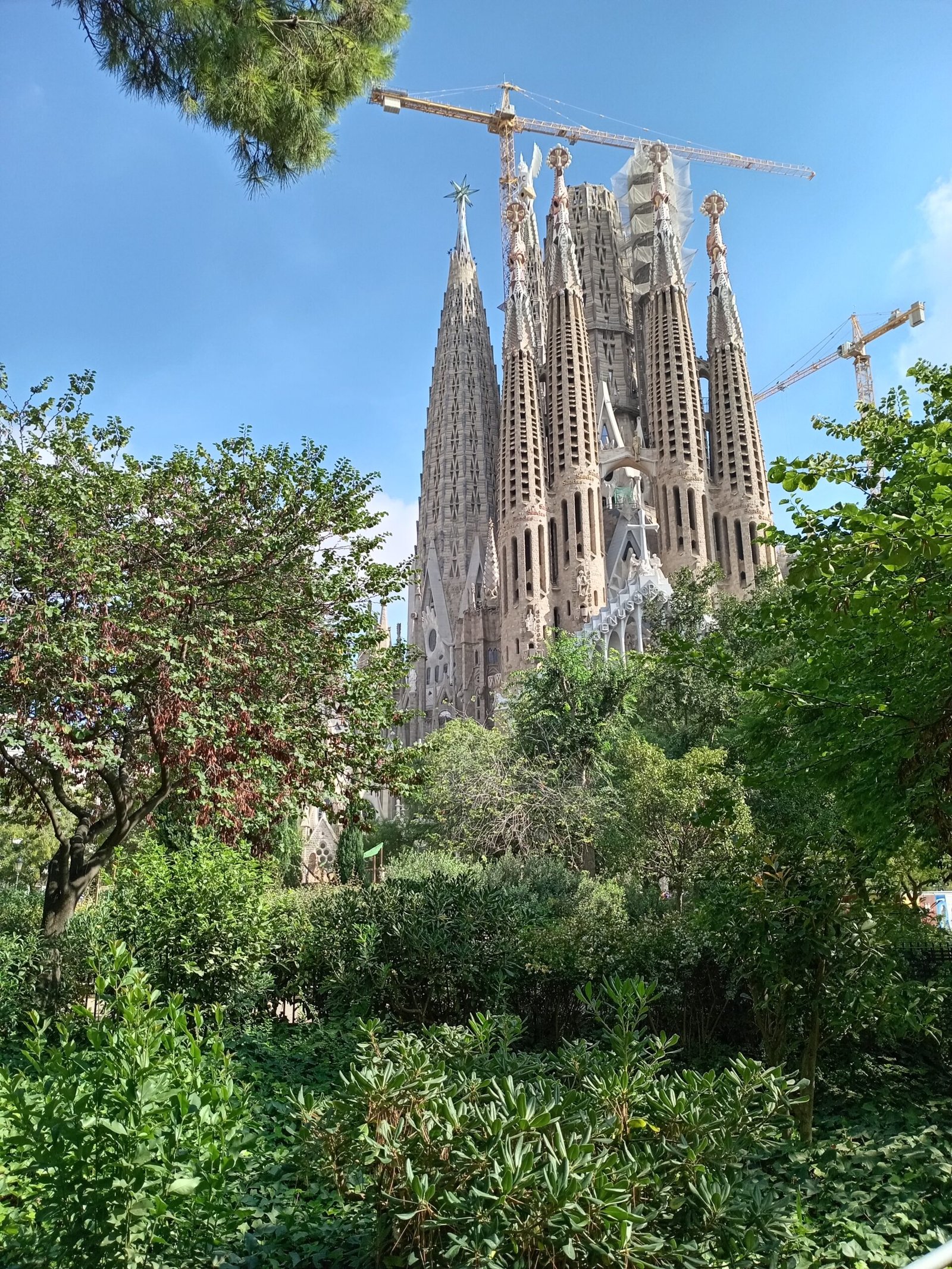
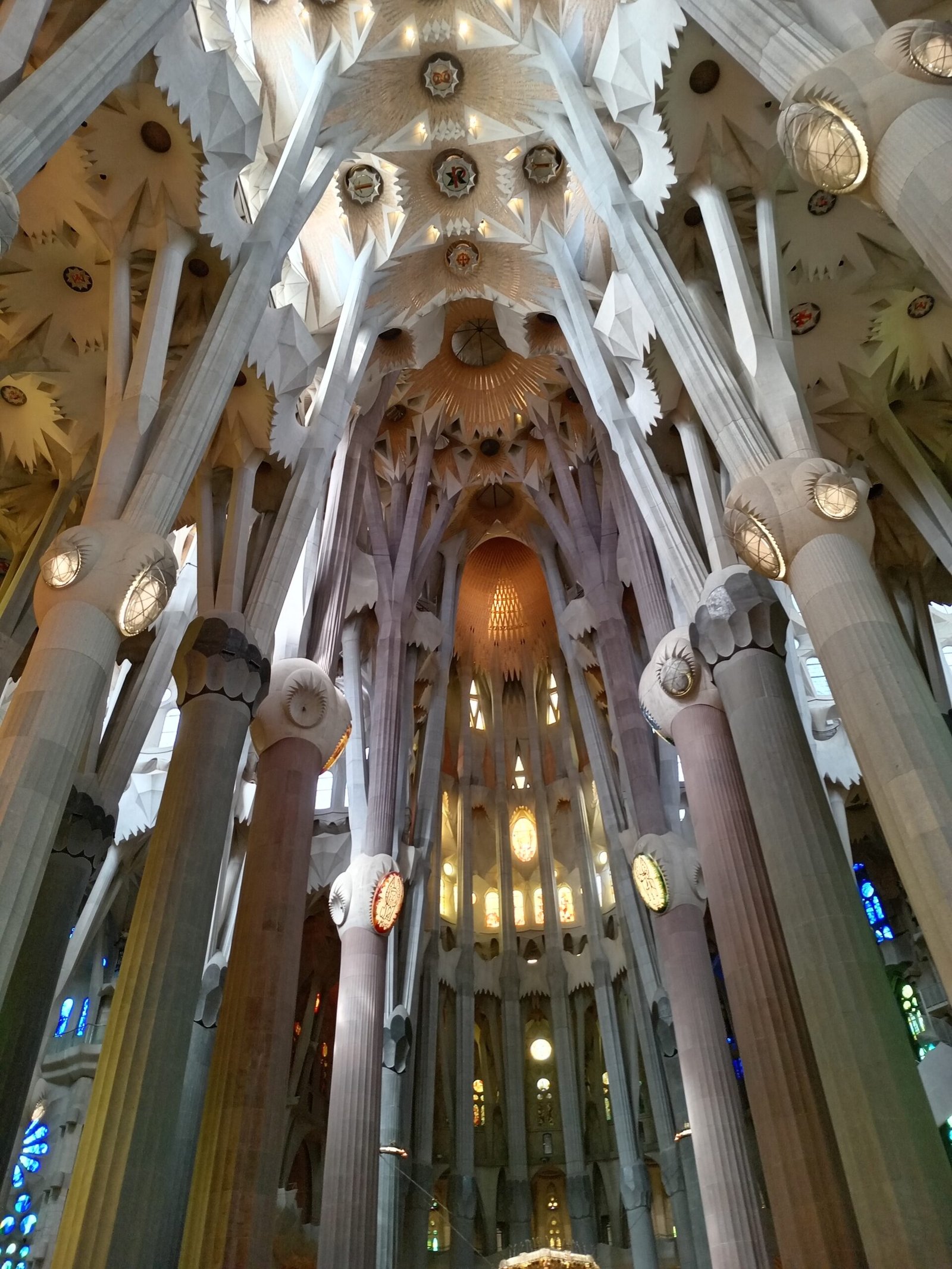
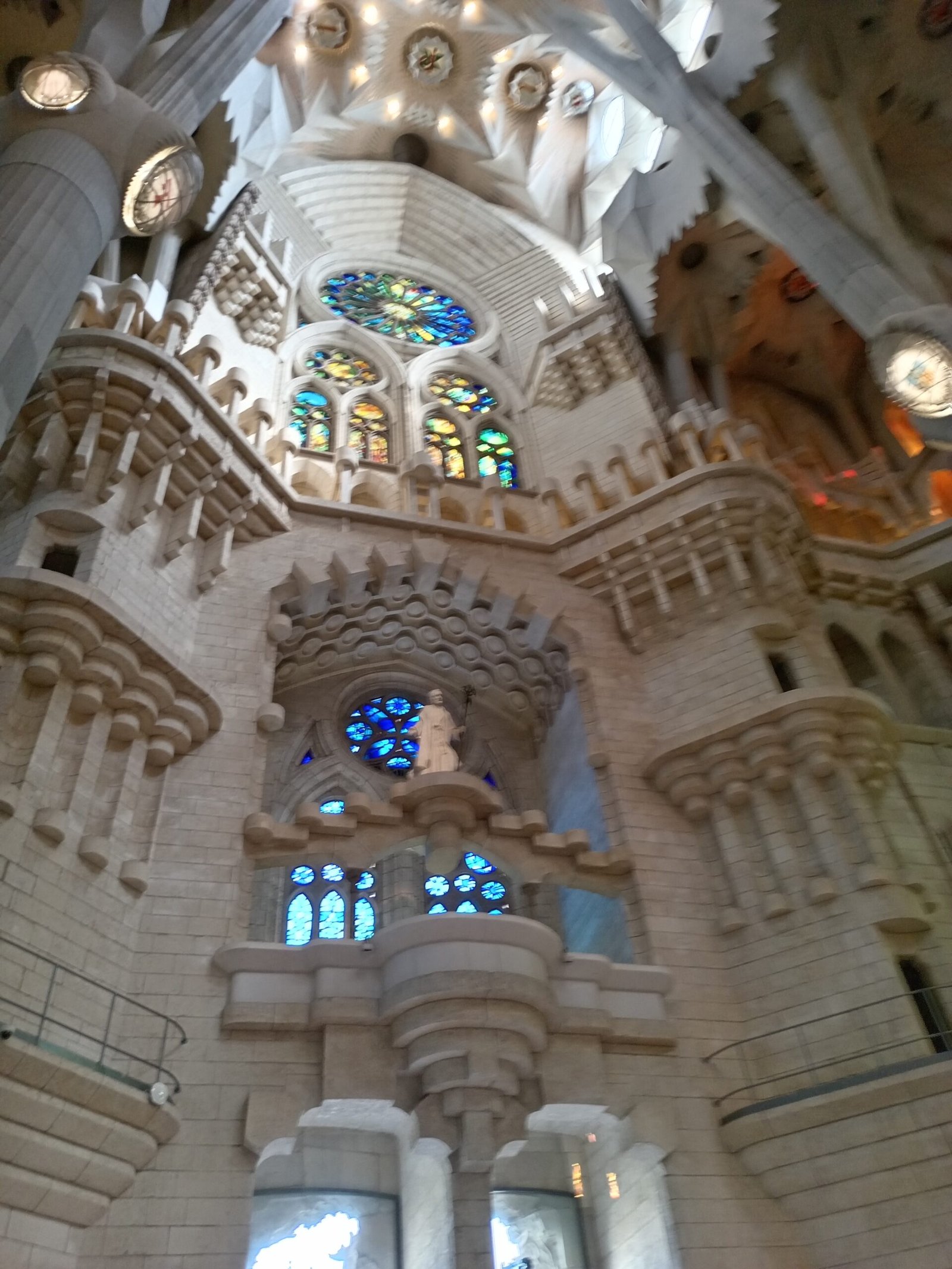
The Sagrada Família was one of the places I absolutely had to visit. When I was there in 2023, it was still under construction, as it had been for generations. I joined a guided visit and went inside.
I genuinely had no words.
From the outside, the basilica was already unlike anything I had seen before. Inside, the scale, light, colours and architectural details made it even more extraordinary. It did not feel like a conventional church. It felt like entering someone else’s imagination.
After learning more about Gaudí and seeing his work around Barcelona, I became so interested in him that I bought a book about his life.
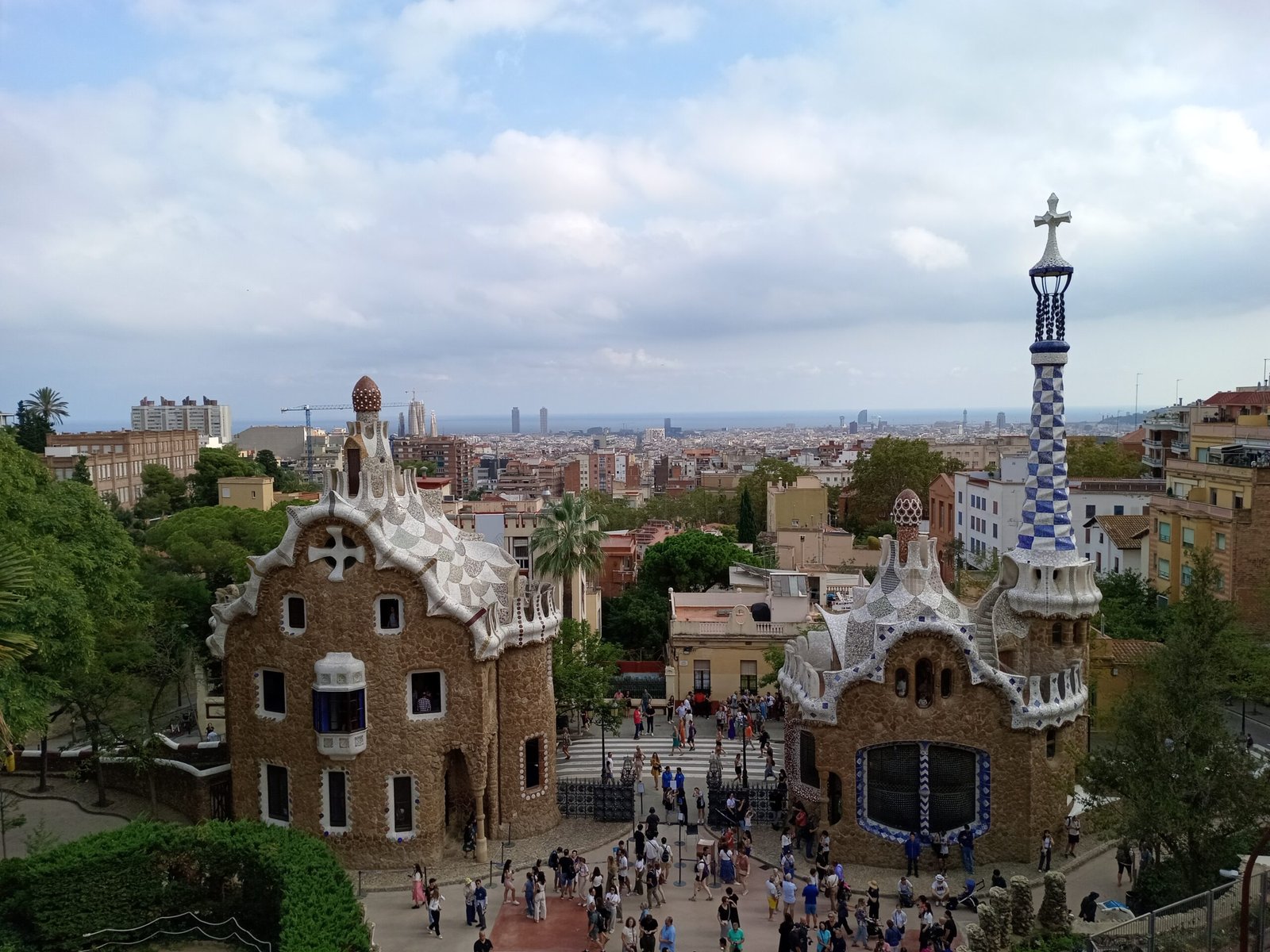
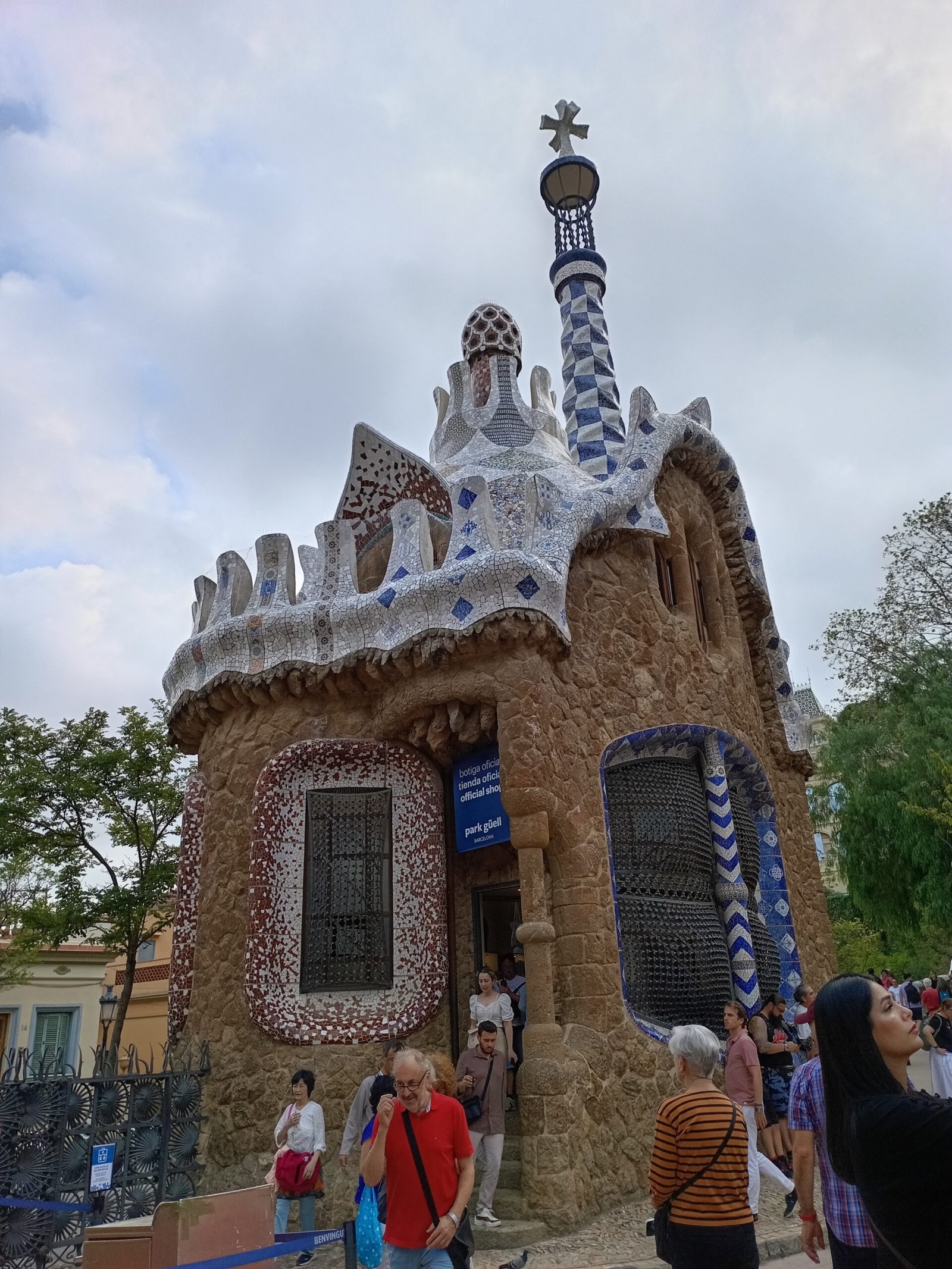
I visited Park Güell, with its colourful mosaics, winding forms and fairytale-like entrance buildings. Those were the buildings I had remembered as looking like something from Hansel and Gretel. From the park, I could also look across Barcelona toward the sea, with the towers of the Sagrada Família visible in the distance.
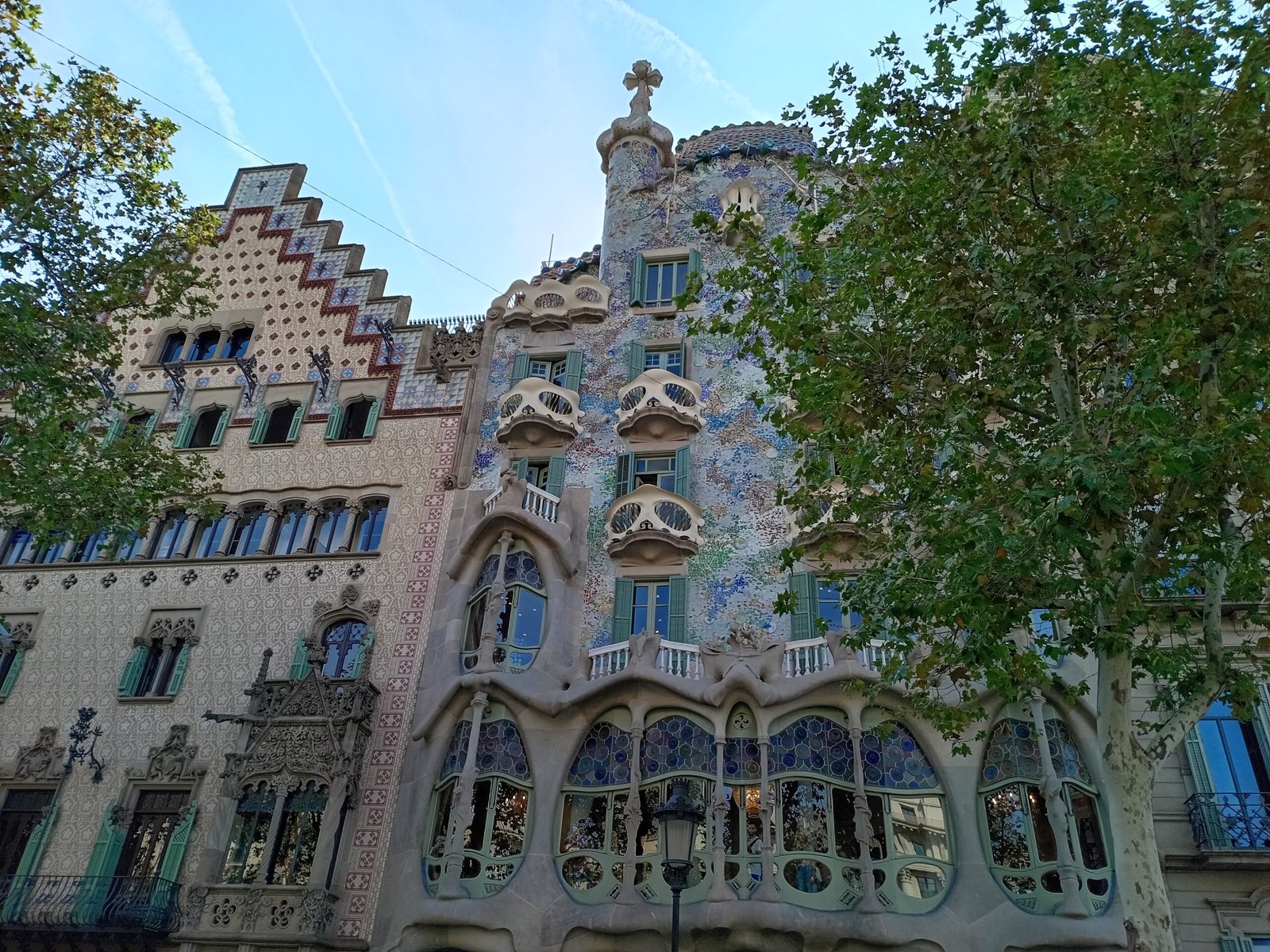
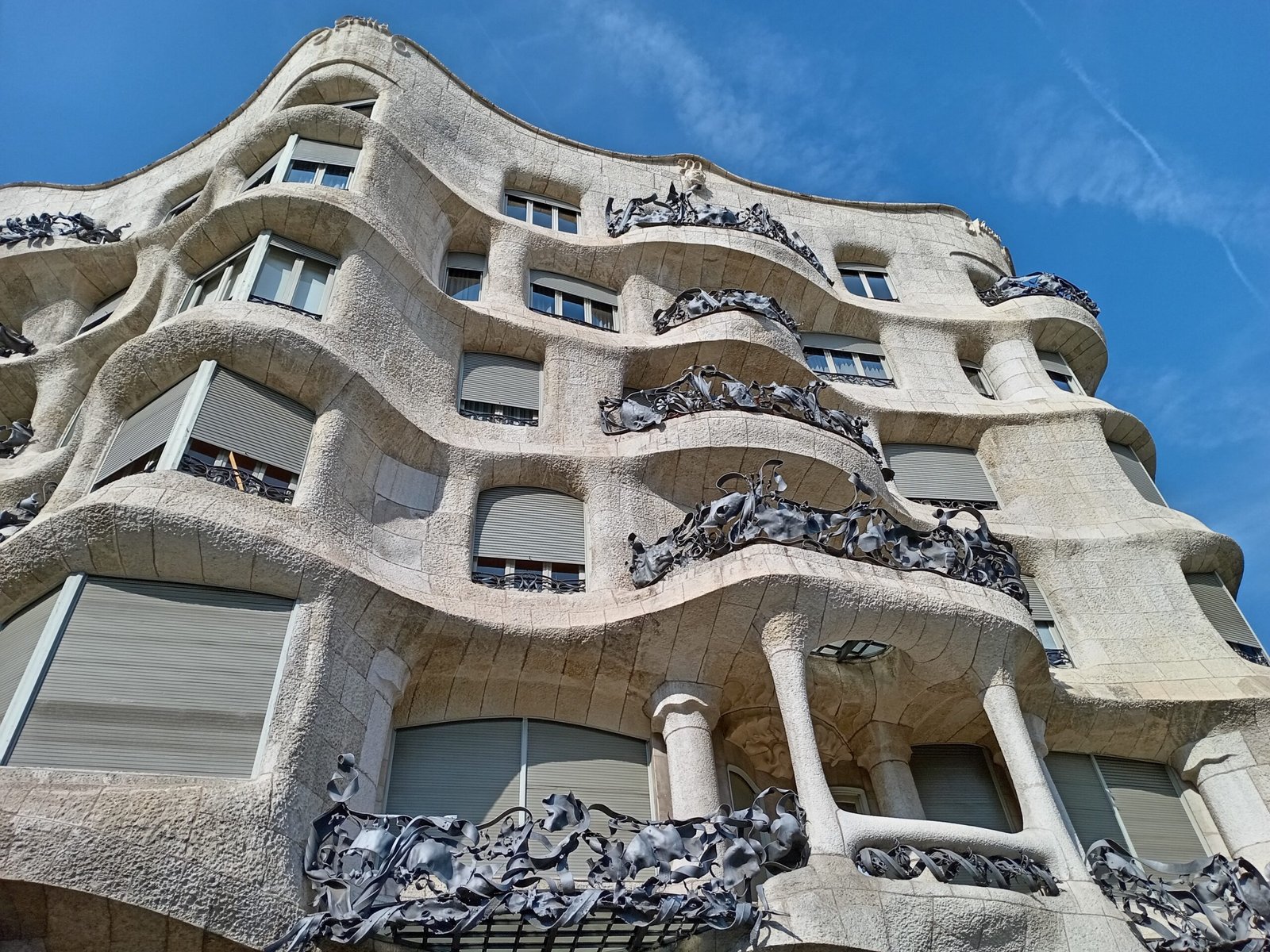
I also saw Casa Milà, commonly known as La Pedrera, and Casa Batlló from outside. Casa Milà’s curved stone façade and iron balconies looked as though the building had been shaped rather than constructed. Casa Batlló was even more colourful and unusual, standing beside the beautiful Casa Amatller.
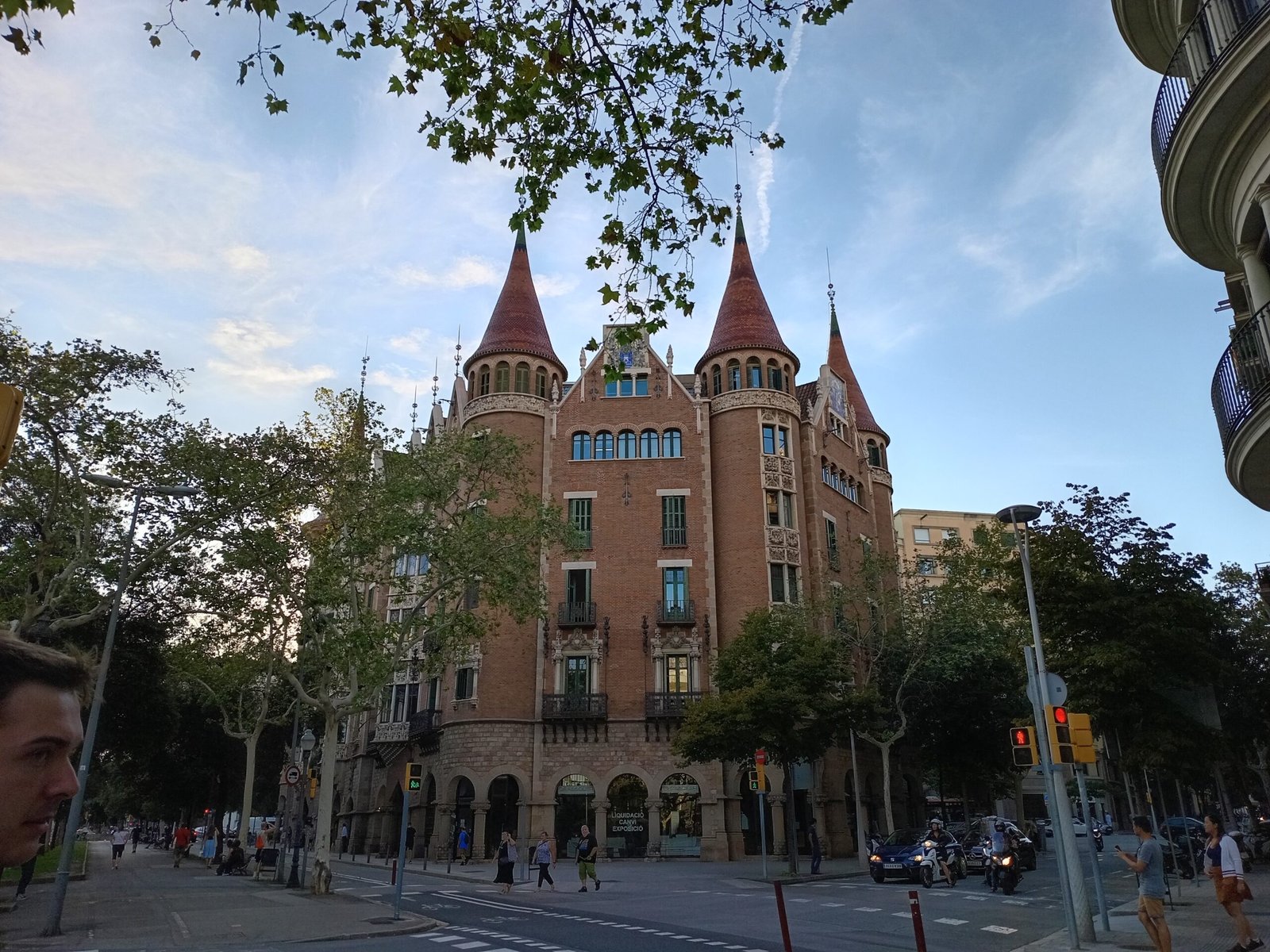
Not every remarkable building I photographed was designed by Gaudí. I also passed Casa de les Punxes, officially Casa Terradas, with its pointed towers. Barcelona seemed full of buildings that demanded that you stop walking and look up.
Barcelona’s old town was one of my favourite areas to walk through. The streets felt atmospheric and full of details, and there always seemed to be another square, historic building or narrow lane to discover.
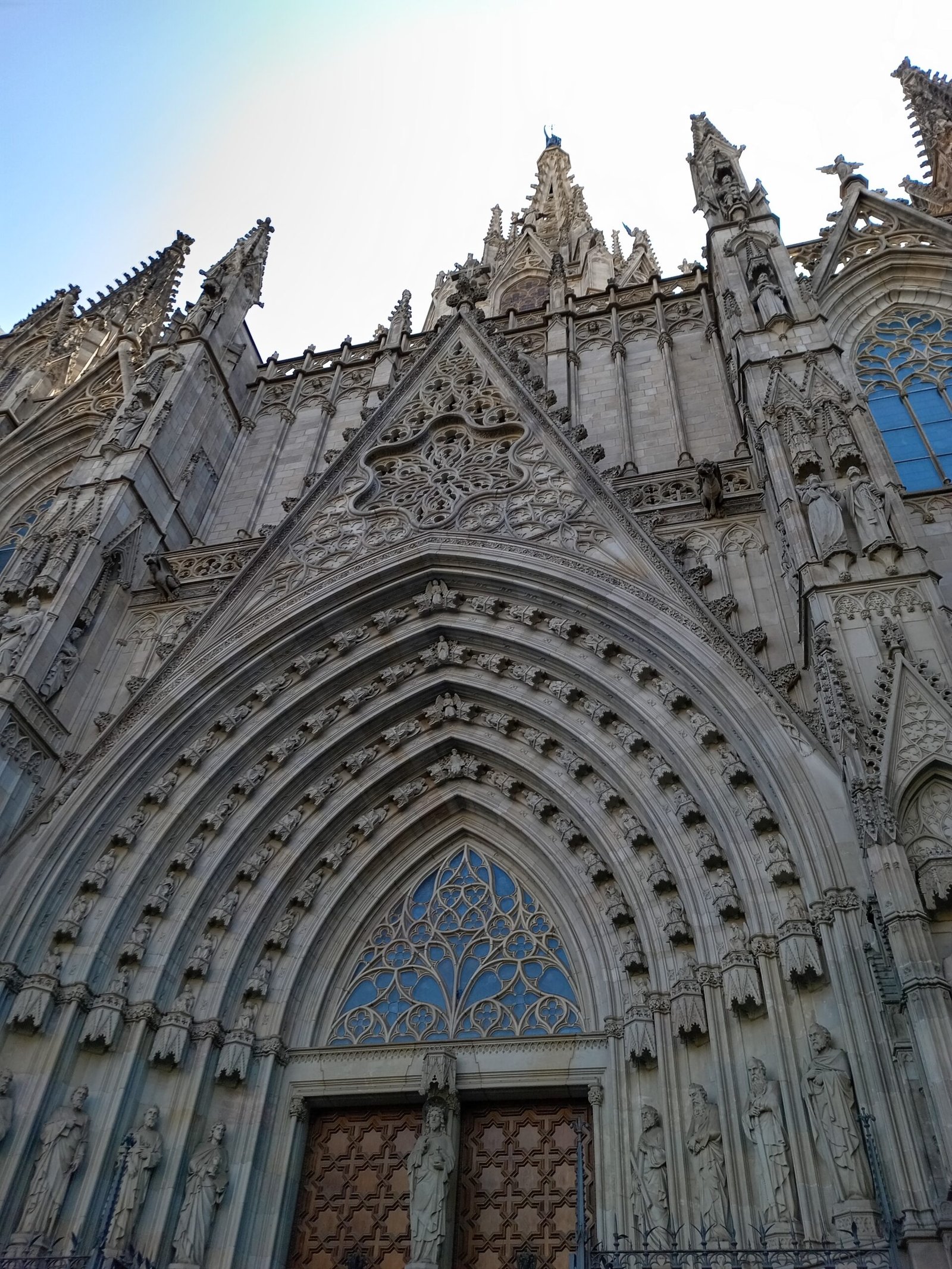
I visited Barcelona Cathedral, formerly known as the Cathedral of the Holy Cross and Saint Eulalia. Its elaborate Gothic façade rose above the surrounding streets and felt completely different from Gaudí’s architecture.
I also explored El Born, where I visited El Born Centre de Cultura i Memòria. The building looks like an old market from the outside, but inside it contains archaeological remains of part of the city. I loved that contrast: an airy iron market structure protecting the ruins of an older Barcelona beneath it.
This was one of the things I enjoyed most about the city. Barcelona did not have only one identity. There was medieval Barcelona, Gaudí’s Barcelona, beachside Barcelona and the modern international city where I could find almost any cuisine I wanted.
Oh! And, I also found the filming location for “Zindagi Naa Milegi Dobaraa” – one of my favorite Bollywood movies.
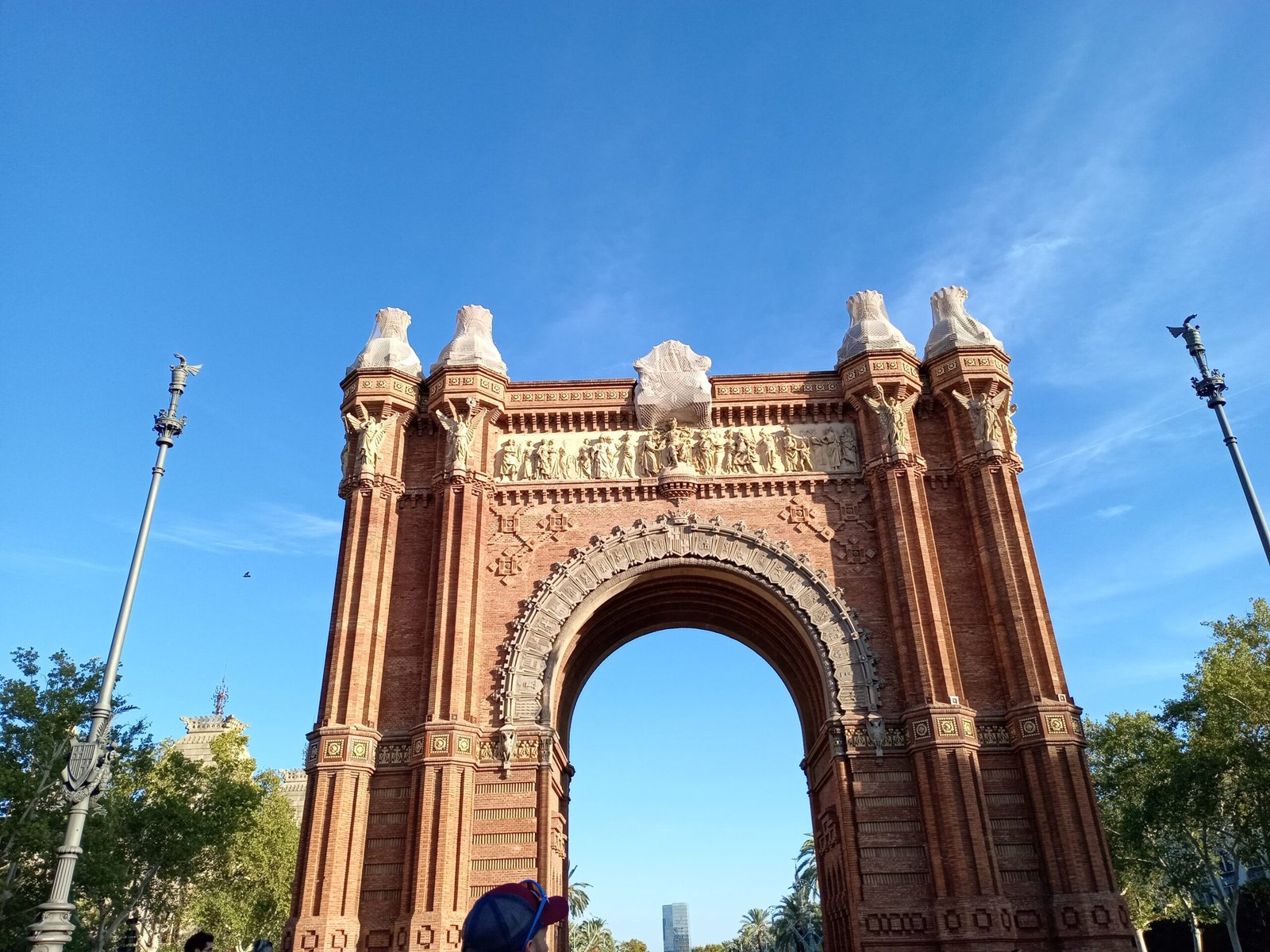
Another day took me through the Arc de Triomf and Parc de la Ciutadella.
The red-brick Arc de Triomf is one of Barcelona’s most recognizable landmarks, but walking through the surrounding area was just as enjoyable. Nearby, Parc de la Ciutadella offered green space, water, sculptures and striking historic buildings.
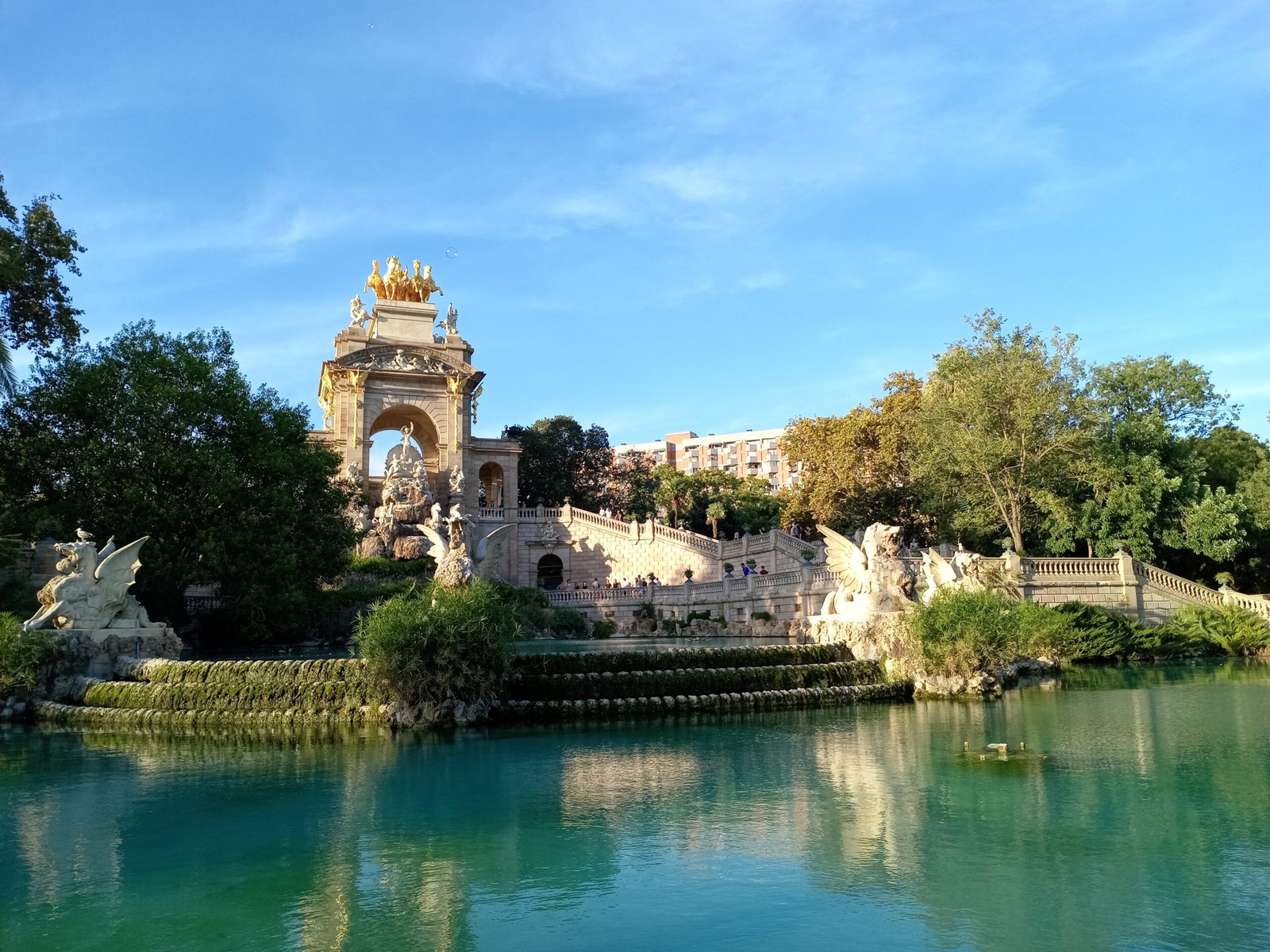
I saw the Cascada Monumental, an elaborate fountain surrounded by stone steps, sculptures and a small lake. I also photographed the Castell dels Tres Dragons, a red-brick building created for Barcelona’s 1888 Universal Exhibition.
This area gave me a quieter side of Barcelona. It was somewhere to walk without feeling as though I was moving between compulsory tourist attractions.
Barcelona also gave me something Rome had not: a city beach.
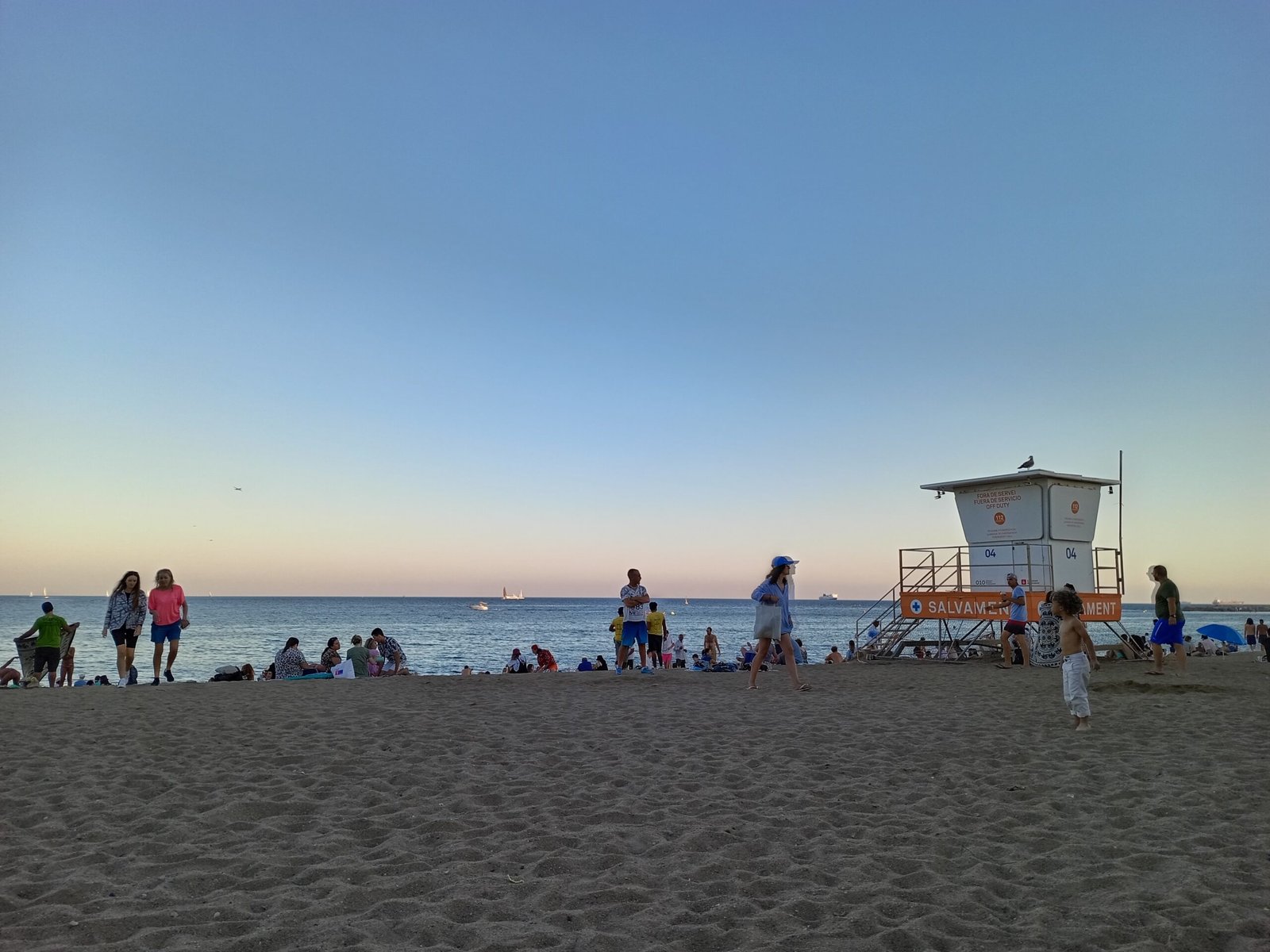
I visited Barceloneta Beach around sunset, when people were still sitting on the sand and the sky was beginning to soften over the sea. Having a beach within the city gave Barcelona a different rhythm. You could spend the day surrounded by architecture and busy streets, then end it beside the water.
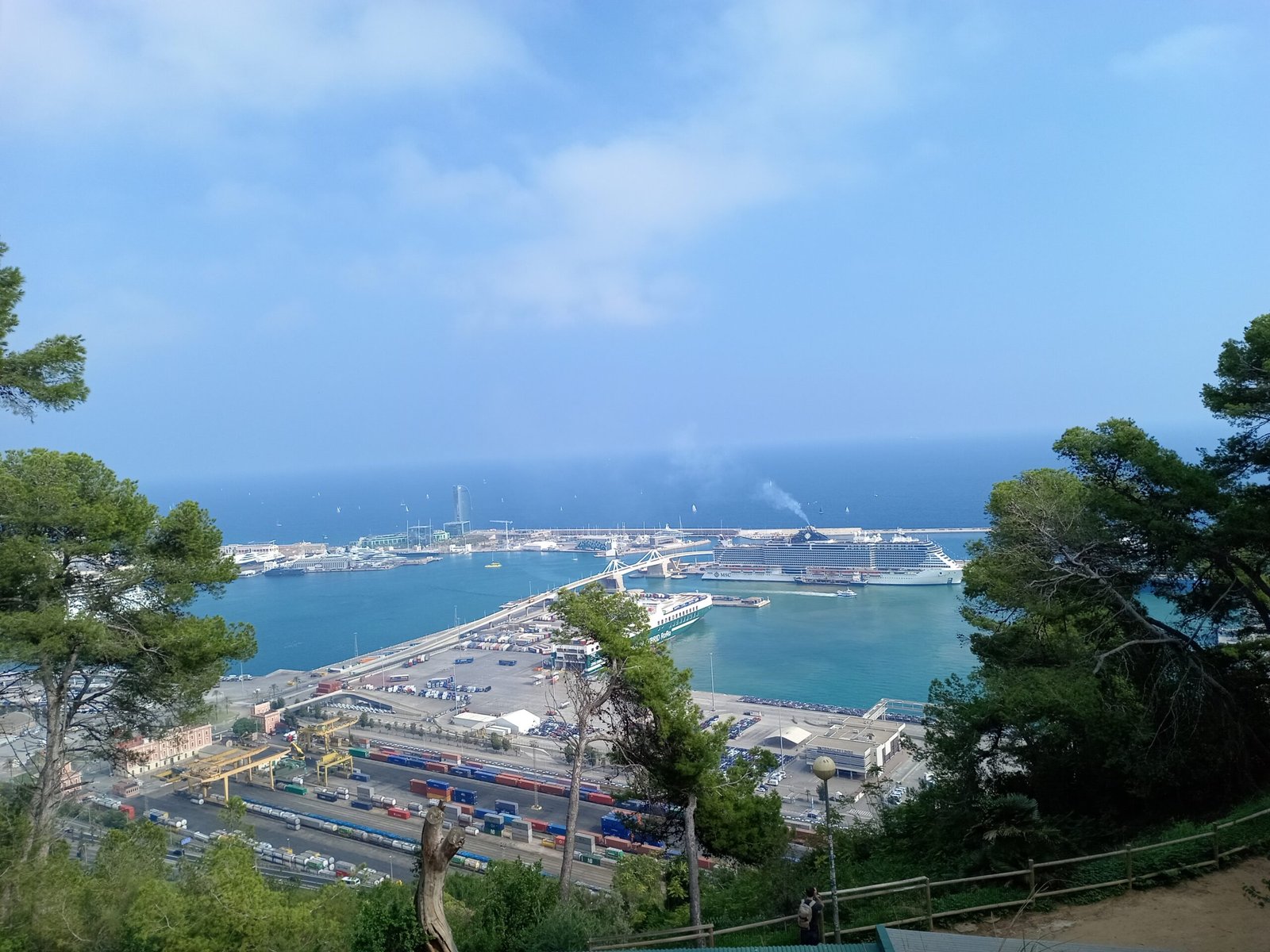
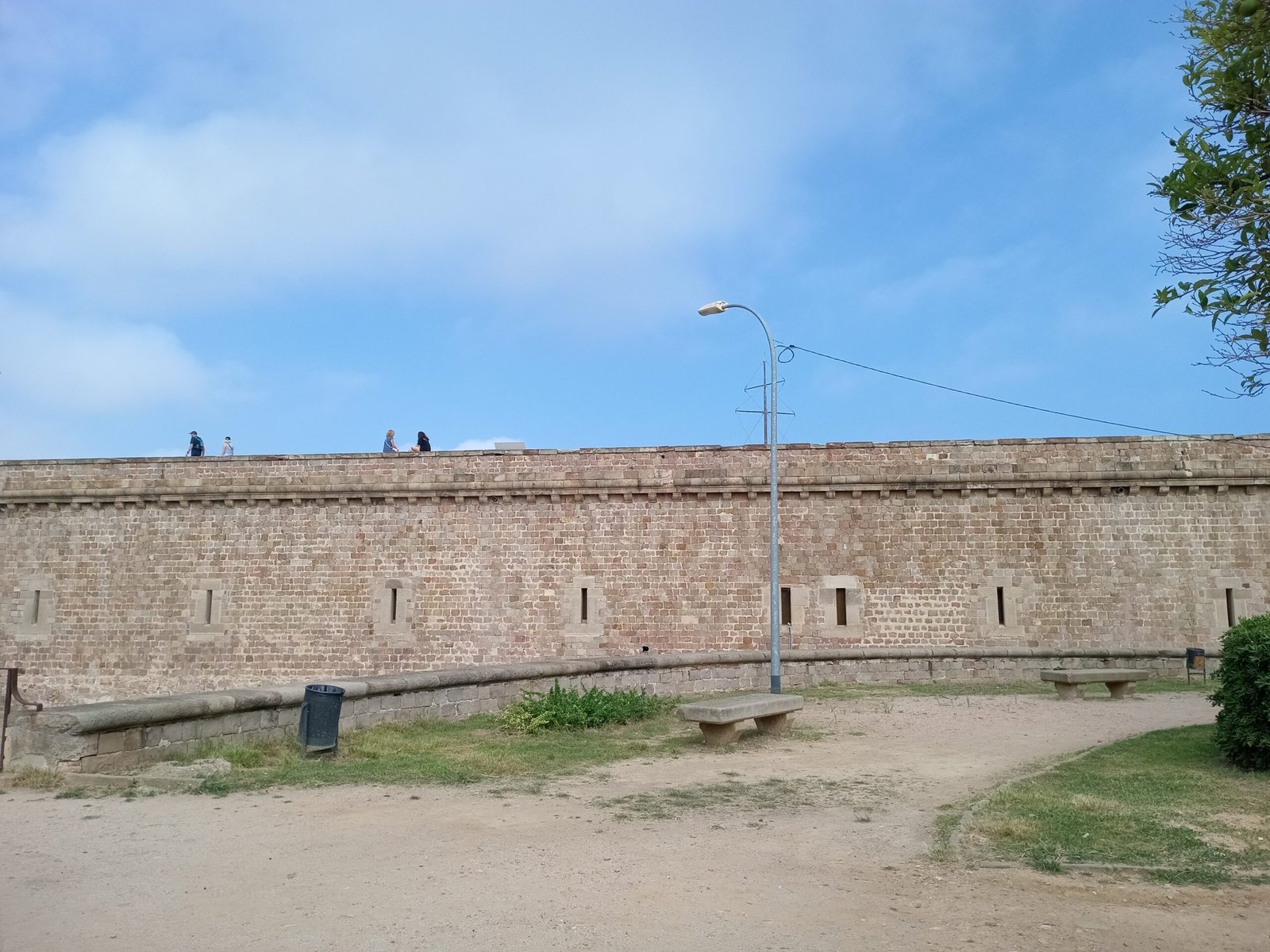
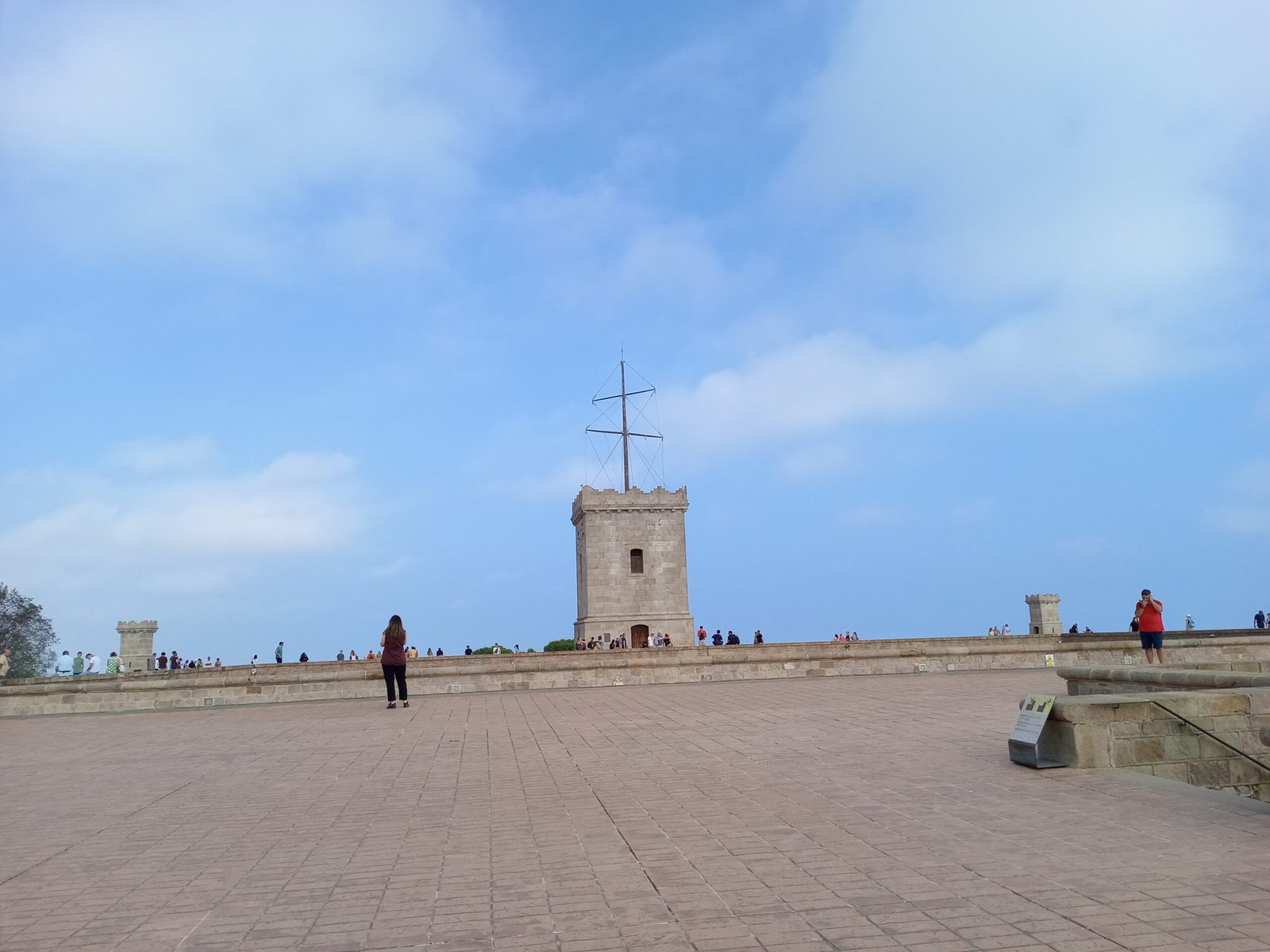
I also explored Montjuïc. From the area around the Palau Nacional, which houses the Museu Nacional d’Art de Catalunya, I could see another grand side of Barcelona.
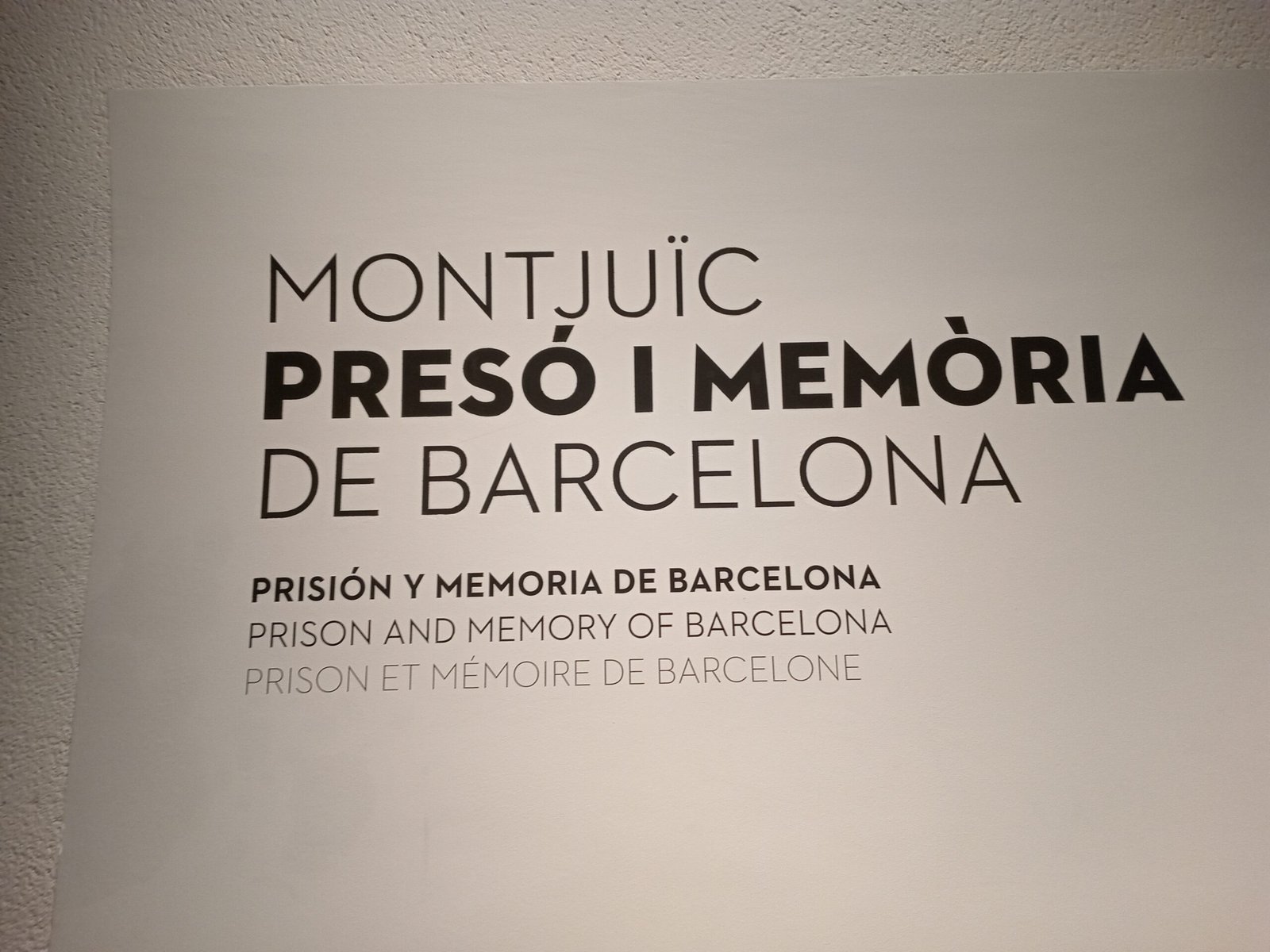
At Montjuïc Castle, I visited an exhibition about the site’s history as a prison and its place in Barcelona’s collective memory. It introduced me to a much heavier part of the city’s past and added another layer to my visit. Barcelona was beautiful, but its history was not always light.
One of the experiences I was most excited about in Spain was seeing flamenco.
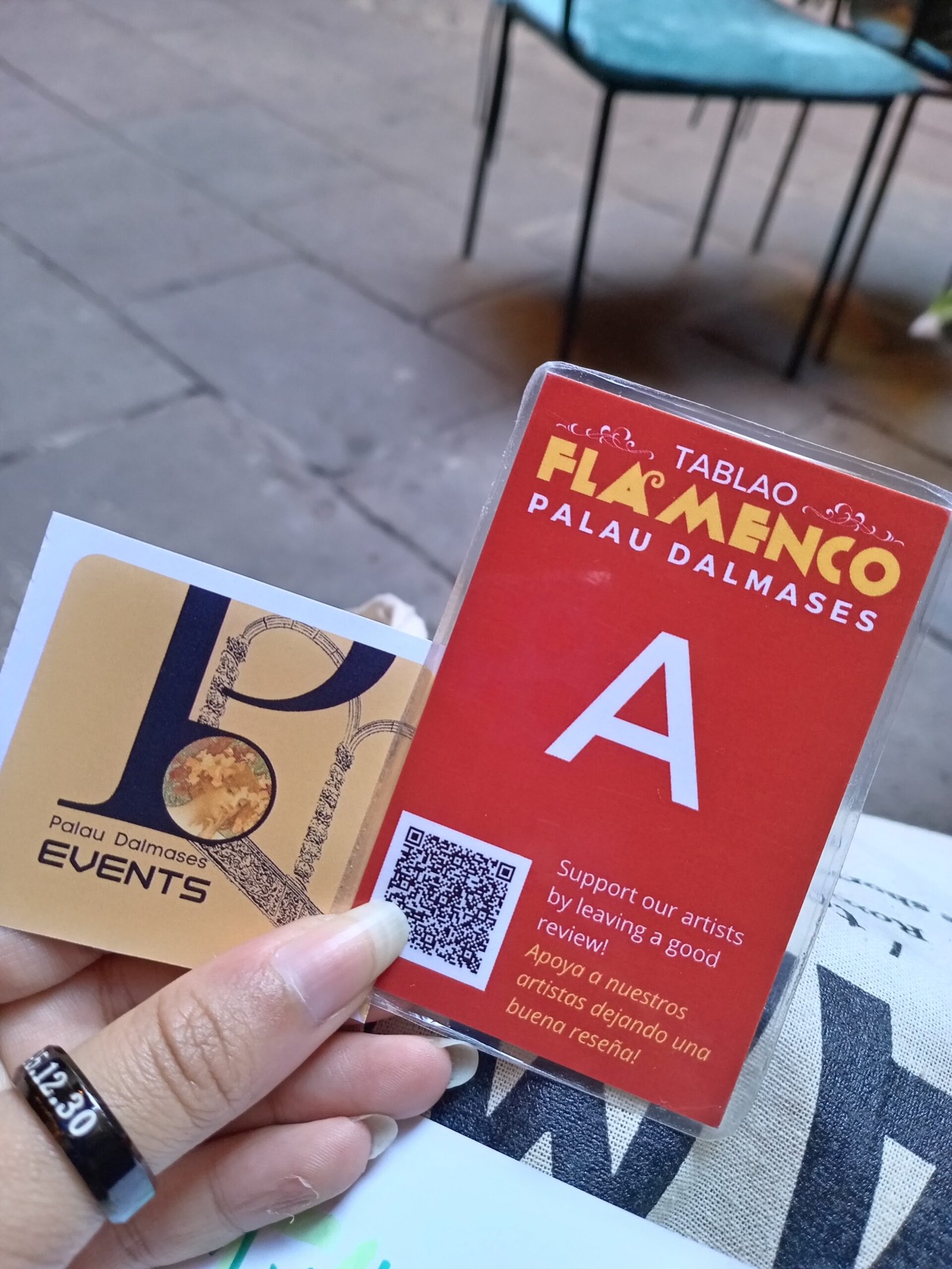
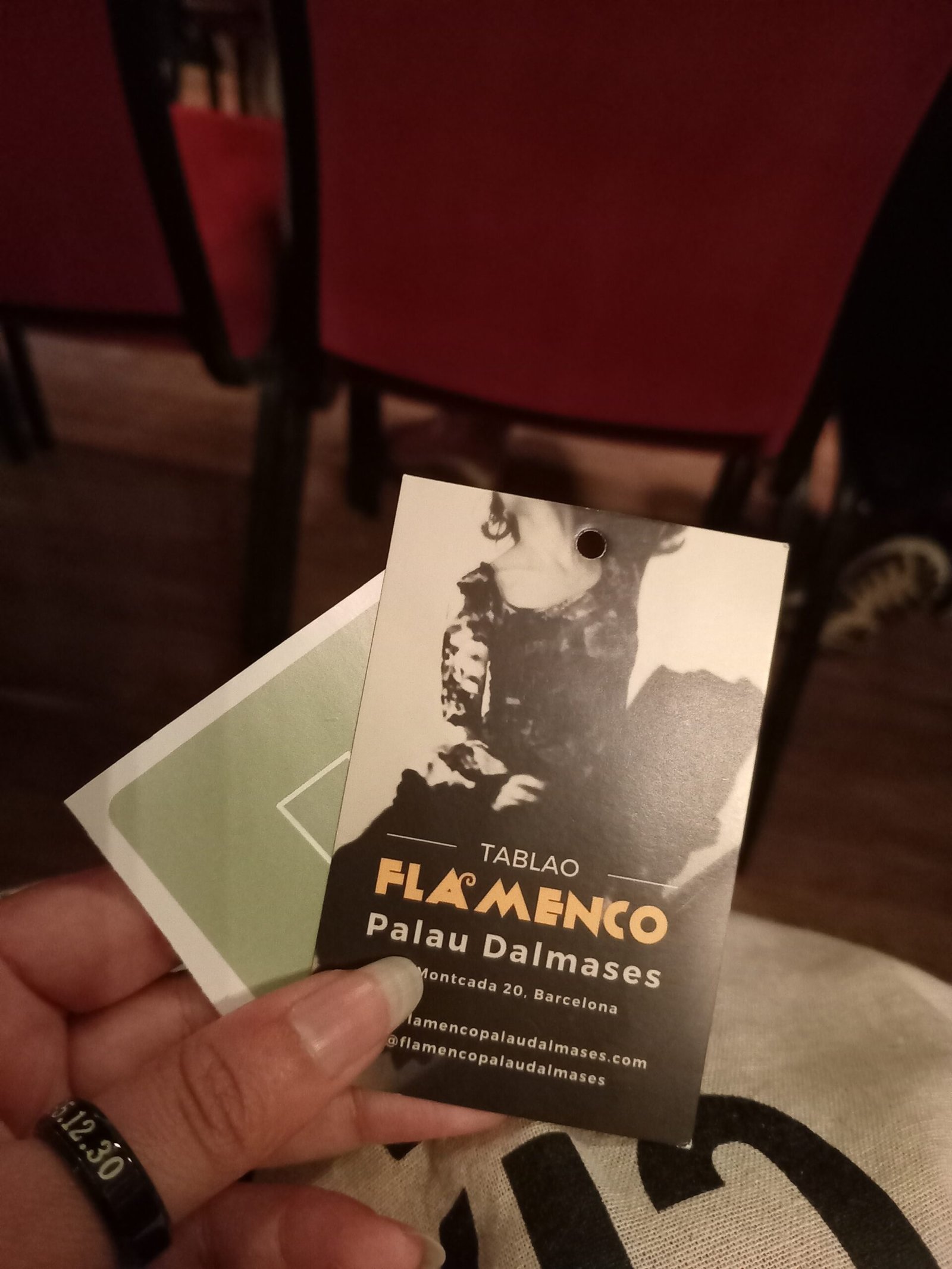
I attended a performance at Palau Dalmases in the old town. The venue felt intimate, and being so close to the dancers and musicians made the performance incredibly powerful.
Flamenco was expressive in a way that did not require me to understand every part of its history or every word being sung. The movement, music and emotion carried the performance. It was dramatic, intense and completely different from anything else I did in Barcelona.
One day, I visited La Boqueria with people from the co-living. On our way back, we unexpectedly came across what felt like a street festival or funfair, with large tents, rides and plenty of activity.
It was not something I had planned or even known about beforehand. We simply found it happening around us and decided to enjoy it. I had churros there, because if you unexpectedly walk into a Spanish festival and churros are available, refusing them would feel wrong.
Unplanned experiences like that often become some of my favourite travel memories. Famous landmarks give you a reason to visit a city, but random festivals, shared meals and unexpected evenings are what make the trip feel like your own.
Despite travelling alone, I met many people during my stay in Barcelona.
The co-living made it easy to connect with my roommates and other residents, but I also attended a meetup for women. There, I met other solo travellers and spent time with people who understood the strange combination of independence and uncertainty that comes with travelling by yourself.
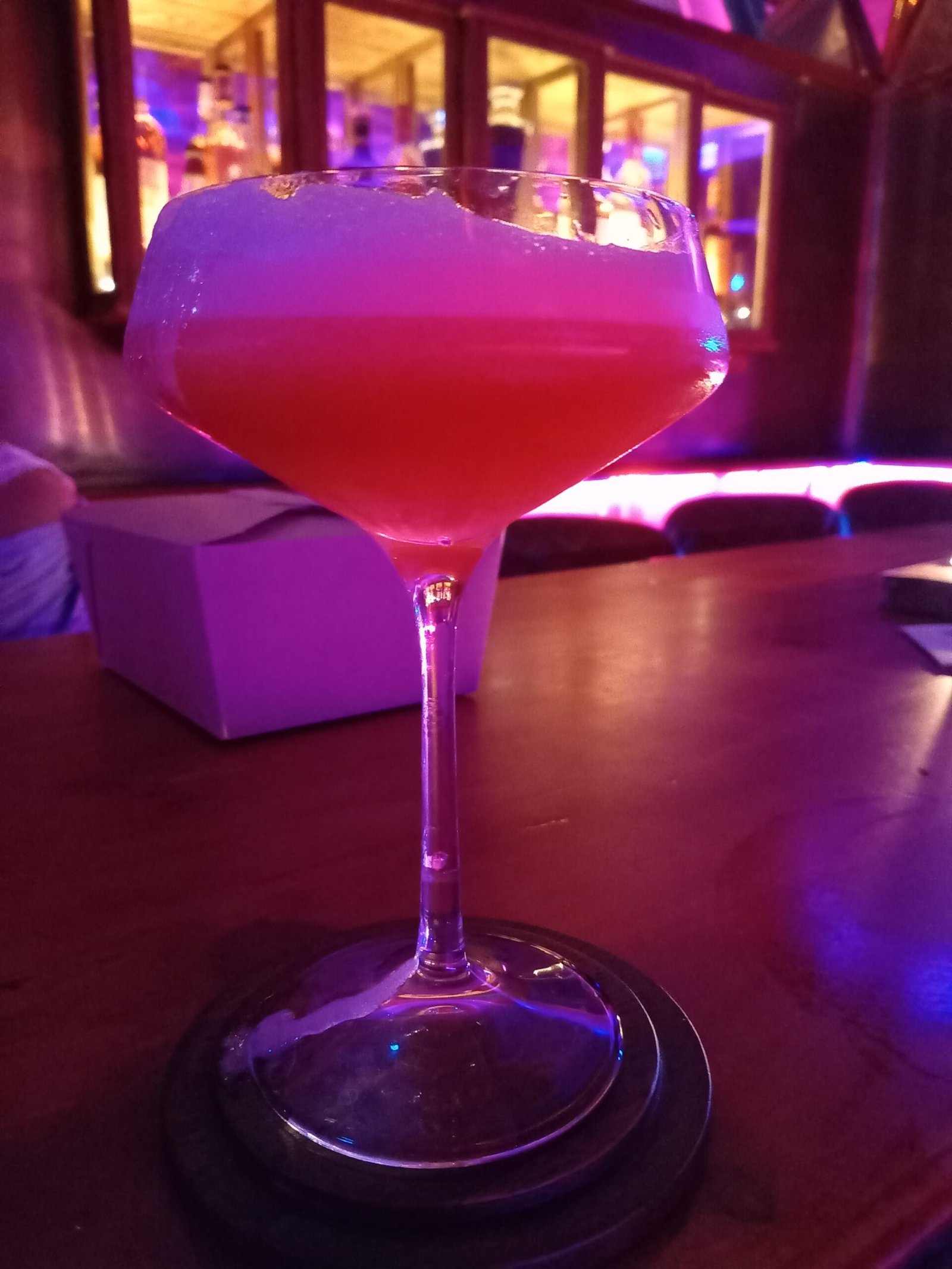
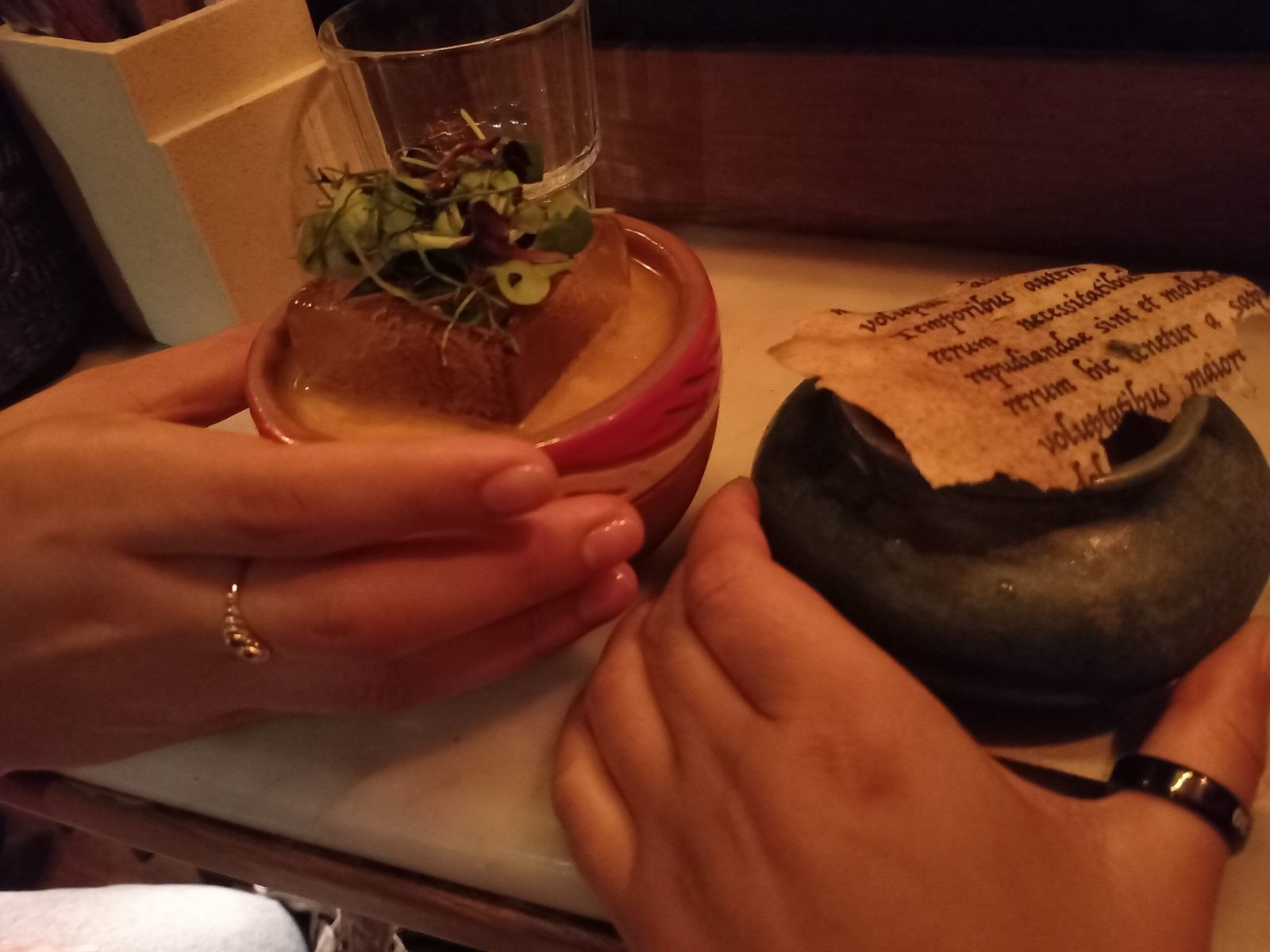
One of the women I met in Barcelona later became a very good friend. We visited Paradiso together, the hidden cocktail bar in El Born, and she eventually joined me in London during another part of my travels.
That friendship became one of the most lasting things I took away from Barcelona. We met during a trip that lasted only ten days, half of which I spent sick, yet our connection continued beyond the city.
This is something I keep learning through solo travel: travelling alone does not necessarily mean experiencing a destination alone. Sometimes it creates more opportunities to meet people because you are more open to conversations, invitations and unexpected plans.
Before arriving, I had heard many stories about pickpocketing in Barcelona. The warnings continued after I arrived. Locals advised me to be especially careful with my phone and wallet, and someone recommended using a phone strap.
I took those warnings seriously. Whenever I was outside, particularly in busy areas, I remained very aware of my belongings. I avoided casually holding my phone where someone could easily grab it, and I checked my bag constantly.
Nothing happened to me during my stay, but I was definitely more cautious in Barcelona than I had been in Rome. I do not think fear should stop someone from visiting the city, but awareness is important. Choosing accommodation in an area where I felt safe also helped me feel more comfortable when I was exploring alone.
Ten days would ordinarily give you a good amount of time to experience Barcelona. In my case, however, I only had around five healthy days to explore.
Even then, I managed to see the Sagrada Família, Park Güell, Casa Milà, Casa Batlló, Barcelona Cathedral, La Boqueria, El Born, the Arc de Triomf, Parc de la Ciutadella, Barceloneta Beach and Montjuïc. I attended a flamenco show, went to a women’s meetup, found an unexpected festival and experienced some of the city’s nightlife.
I could easily have spent longer there, especially without the flu. There were places I would have liked to explore more slowly instead of fitting them into the few days when I finally felt well.
Barcelona nevertheless made a strong impression on me. It was colourful, international and architecturally fascinating. It offered history, beaches, nightlife, food from around the world and plenty of opportunities to meet people.
My ten days in Barcelona were not the effortless city break I might have imagined. Half of the trip was spent trying to recover, and the other half became a determined attempt to experience as much as possible.
But when I remember Barcelona now, I do not only remember being sick. I remember looking up at Gaudí’s buildings, walking through the old town, seeing flamenco for the first time, eating churros at an unexpected festival and visiting a hidden bar with someone who would become a close friend.
Barcelona did not give me the trip I had planned. It still gave me a story worth remembering.